Comunicazioni
ROMA 1960 > I SERVIZI
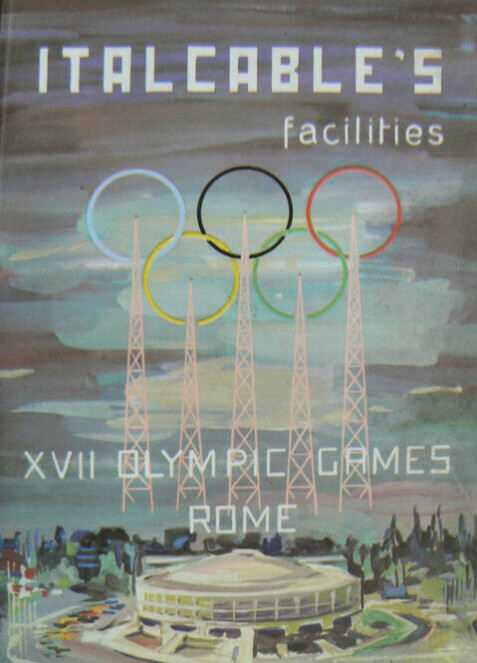
COMUNICAZIONI - COMMUNICATION SERVICES
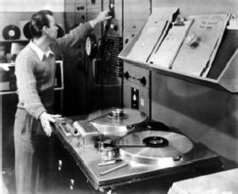
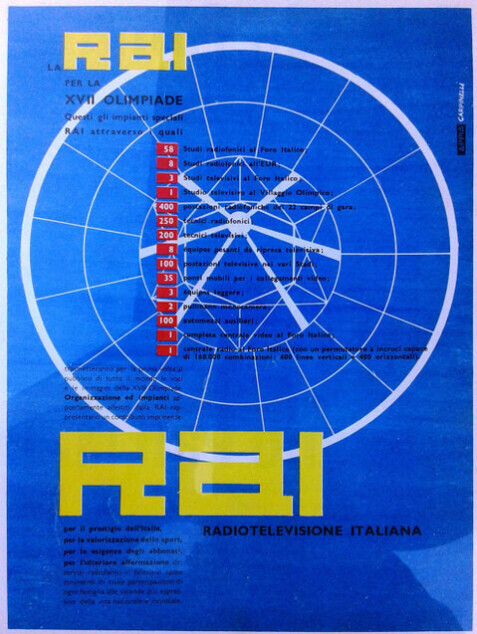
Le Olimpiadi di Roma del 1960 hanno rappresentato la prima volta in cui i Giochi olimpici sono stati trasmessi in diretta televisiva internazionale dalla Rai, che fu la prima televisione al mondo a coprire l'evento con 120 ore di trasmissione in 18 Paesi europei. La RAI gestì la complessa regia ed il coordinamento europeo sfruttando, per la prima volta su larga scala, la neonata registrazione su nastro magnetico (Ampex), visto che i collegamenti via satellite erano ancora lontani dall'essere operativi, raggiungendo milioni di telespettatori in tutta Europa tramite il circuito Eurovisione e segnando l'atto di nascita della modernità mediatica dello sport.
The 1960 Rome Olympics marked the first time the Olympic Games were broadcast live on international television by RAI, which was the first television station in the world to cover the event with 120 hours of broadcast time in 18 European countries. RAI managed the complex European direction and coordination by exploiting, for the first time on a large scale, the newly created magnetic tape recording (Ampex), given that satellite connections were still far from operational, reaching millions of viewers throughout Europe via the Eurovision circuit and marking the birth of the media modernity of sport.
"""Dopo sessantasei anni le testimonianze sono ancora un dato di fatto: le Olimpiadi di Roma del 1960 non furono soltanto uno straordinario avvenimento sportivo, ma il primo grande evento mediatico del dopoguerra. Un evento importante sia nella storia dell’Italia, soprattutto per la città di Roma e in particolare per la RAI. Le olimpiadi rappresentarono sì uno spartiacque per i molteplici aspetti della vita economica e sociale dell’Italia, ma allo stesso tempo furono un grande evento mediatico per la televisione italiana. Con il 1960 la Rai aveva definitivamente archiviato il suo periodo pionieristico e stava entrando negli anni del Boom Economico.""" Nelle pagine di questi libri di Antonio Lari e di Barbara Scaramucci e Claudio Ferretti, il racconto del grande lavoro svolto dalla RAI durante i Giochi della XVII Olimpiade.
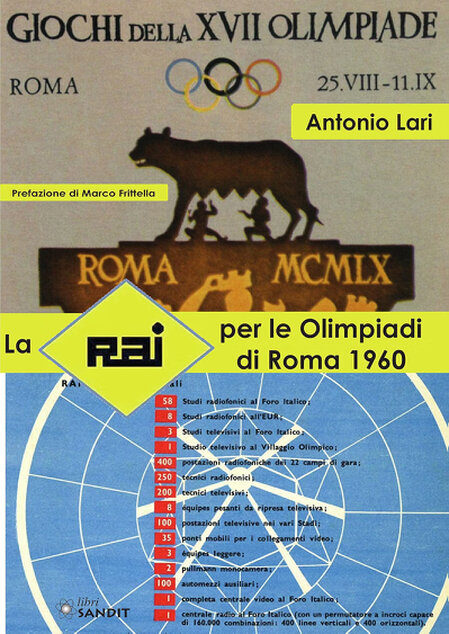
Copertina del libro di Antonio Lari
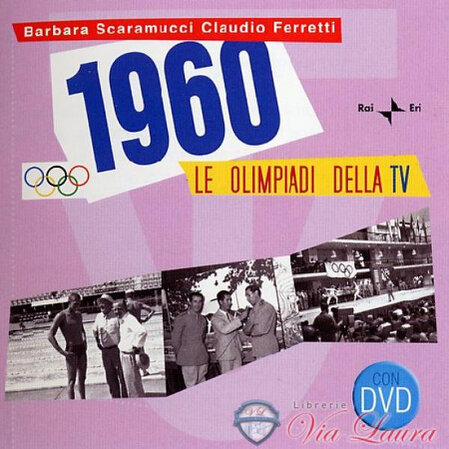
Copertina del libro di Barbara Scaramucci e Claudio Ferretti
"""After sixty-six years, the testimonies are still a fact: the 1960 Rome Olympics were not only an extraordinary sporting event, but the first major media event of the post-war period. An important event both in the history of Italy, especially for the city of Rome and in particular for RAI. The Olympics were a watershed moment for the many aspects of Italy's economic and social life, but at the same time they were a major media event for Italian television. By 1960, RAI had definitively closed its pioneering period and was entering the years of the Economic Boom.""" In the pages of these books by Antonio Lari and Barbara Scaramucci and Claudio Ferretti, the story of the great work carried out by RAI during the Games of the XVII Olympiad.
Le Olimpiadi di Roma del 1960 hanno rappresentato la prima volta in cui i Giochi olimpici sono stati trasmessi in diretta televisiva internazionale dalla Rai, che fu la prima televisione al mondo a coprire l'evento con 120 ore di trasmissione in 18 Paesi europei. La RAI gestì la complessa regia ed il coordinamento europeo sfruttando, per la prima volta su larga scala, la neonata registrazione su nastro magnetico (Ampex), visto che i collegamenti via satellite erano ancora lontani dall'essere operativi, raggiungendo milioni di telespettatori in tutta Europa tramite il circuito Eurovisione e segnando l'atto di nascita della modernità mediatica dello sport.
The 1960 Rome Olympics marked the first time the Olympic Games were broadcast live on international television by RAI, which was the first television station in the world to cover the event with 120 hours of broadcast time in 18 European countries. RAI managed the complex European direction and coordination by exploiting, for the first time on a large scale, the newly created magnetic tape recording (Ampex), given that satellite connections were still far from operational, reaching millions of viewers throughout Europe via the Eurovision circuit and marking the birth of the media modernity of sport.

SPEDIZIONI E BAGAGLI
SHIPPING AND LUGGAGE
LE CERIMONIE UFFICIALI
OFFICIAL CEREMONIES
