NUOTO 1
SPORT ACQUATICI - WATER SPORTS
NUOTO - SWIMMING
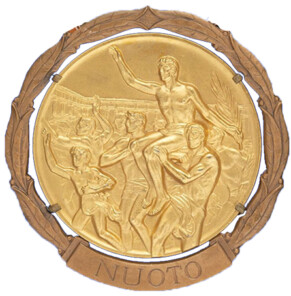
Alle Olimpiadi di Roma il terzo grande sport olimpico, il nuoto, fu come sempre territorio di conquista per statunitensi, 9 ori su 15, e australiani, 5 ori; vi furono ottime gare e 7 primati mondiali furono migliorati (3 in campo maschile, 4 in quello femminile).
At the Rome Olympics, the third major Olympic sport - swimming - was, as always, a stronghold for the Americans, who won 9 of the 15 gold medals, and the Australians, who won 5 gold medals; there were some excellent races, and 7 world records were broken (3 in the men’s events, 4 in the women’s).
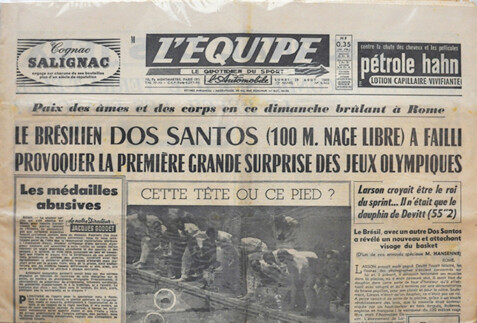
Sabato 27 agosto gli spalti del nuovo Stadio del Nuoto accoglievano più di 10.000 apassionati in quella prima serata di gare olimpiche. La prima finale era quella dei 100 metri stile libero uomini ed era già una sfida tra americani ed australiani rappresentati in quella gara, rispettivamente, da Lance Larson e John Devitt, terzo incomodo il brasiliano Dos Santos, gli altri finalisti erano gli ungheresi Hunter e Dobayil, il canadese Pound, il sudafricano Burer e lo svedese Lindberg. Si tuffarono in acqua alle 21,10 e subito il brasiliano tentò una fuga, immediatamente stoppata dai due favoriti. Poi fu Devitt che prese una trentina di centimetri di vantaggio, ma Larson non si fece sorprendere e rintuzzò l'attacco del suo rivale. L'acqua si gonfia di schiuma nella vasca di ritorno. Devitt è nella corsia 3, Larson nella 4. Si battono furiosamente fianco a fianco fino all'arrivo. Larson spinge con tale forza che potrebbe sfondare la parete della vasca, poi scivola avanti e tocca sotto l'acqua. Devitt, invece, sollevò un grande spruzzo e colpì con rabbia il bordo della vasca. Larson era sicuro di aver vinto, ma anche Devitt ebbe la stessa sensazione tanto che andò a congratularsi con l'americano. Ma i giudici, dopo diversi conciliaboli, assegnarono (ingiustamente) la vittoria all'australiano smentendo i cronometri e.... l'evidenza.
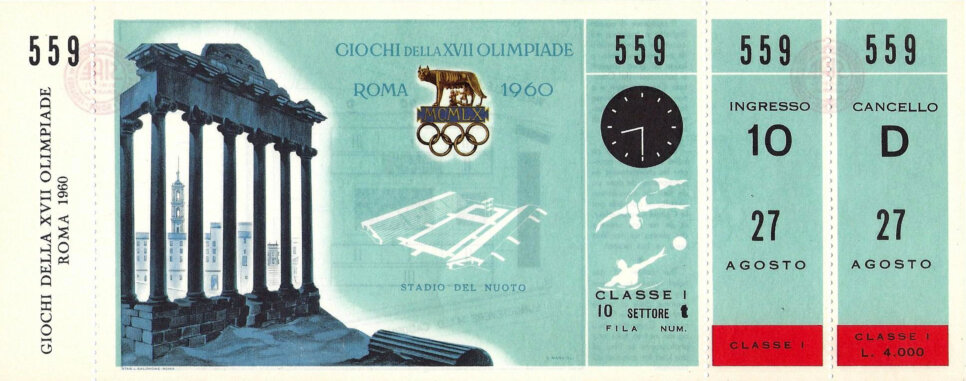
On Saturday, August 27, the stands of the new Swimming Stadium welcomed more than 10,000 fans on that first evening of Olympic competition. The first final was the men’s 100-meter freestyle, which was already shaping up to be a showdown between the Americans and Australians, represented in that race by Lance Larson and John Devitt, respectively, with Brazil’s Dos Santos as the dark horse. The other finalists were the Hungarians Hunter and Dobayil, Canada’s Pound, South Africa’s Burer, and Sweden’s Lindberg. They dived into the water at 9:10 p.m., and immediately the Brazilian attempted a breakaway, which was instantly halted by the two favorites. Then it was Devitt who took a lead of about thirty centimeters, but Larson wasn’t caught off guard and countered his rival’s attack. The water churned with foam in the return lane. Devitt is in lane 3, Larson in lane 4. They battle furiously side by side all the way to the finish. Larson pushes with such force that he could break through the pool wall; then he glides forward and touches the wall underwater. Devitt, on the other hand, sent up a huge splash and struck the edge of the pool with fury. Larson was sure he had won, but Devitt felt the same way, so much so that he went over to congratulate the American. But the judges, after several deliberations, (unfairly) awarded the victory to the Australian, contradicting the stopwatches and… the evidence.
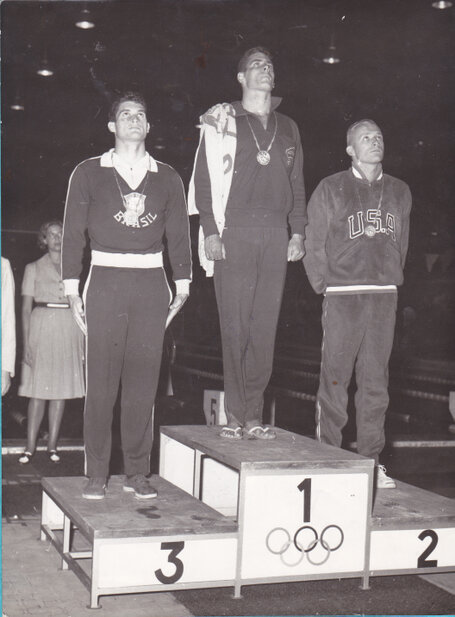
Il podio dei 100 metri stile libero
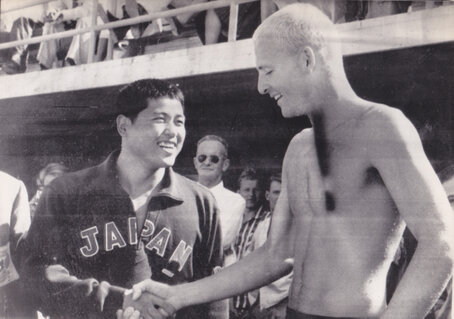
L'americano Larsson e il giapponese Katsuki Ishihara
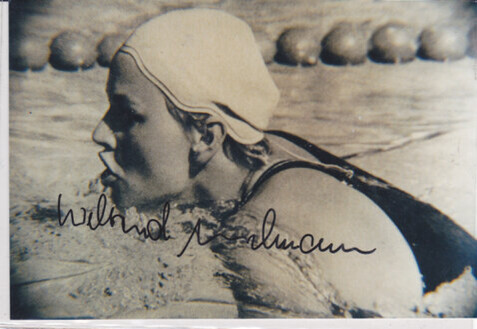
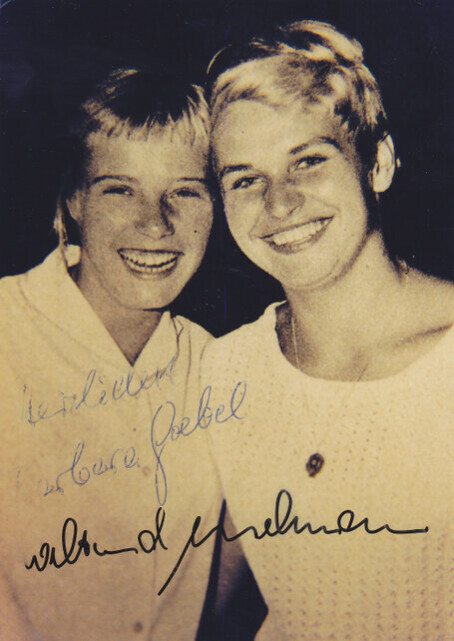
Dopo i 100 metri maschili, partì la finale dei 200 metri rana donne. Tra i tempi di qualificazione spiccava il 2' 52" (nuovo record olimpico) della tedesca Wiltrud Urselmann, ma la grande favorita per la vittoria finale rimaneva la britannica Anita Lonsbrough, che aveva da poco stabilito il record del mondo delle 200 yards. La gara fu incredibilmente dura, la Urselmann coprì i primi cento metri in 1'20"2, dietro, molto indietro nuotava la Longsbrough in 1'22"4. Alla terza virata la britannica lanciò il suo attacco alla Urselmann che, stimolata, accelerò per l'ultima e decisiva vasca. A venticinque metri dall'arrivo la Longsbrough era nettamente davanti, mentre la Urselmann tentava un ultimo, disperato contrattacco nelle bracciate finali. Vinse come da pronostico la britannica con il tempo di 2'49"5, nuovo record del mondo, con la Urselmann anche lei sotto il vecchio primato per due decimi di secondo. Terza l'altra tedesca Barbara Goebel.
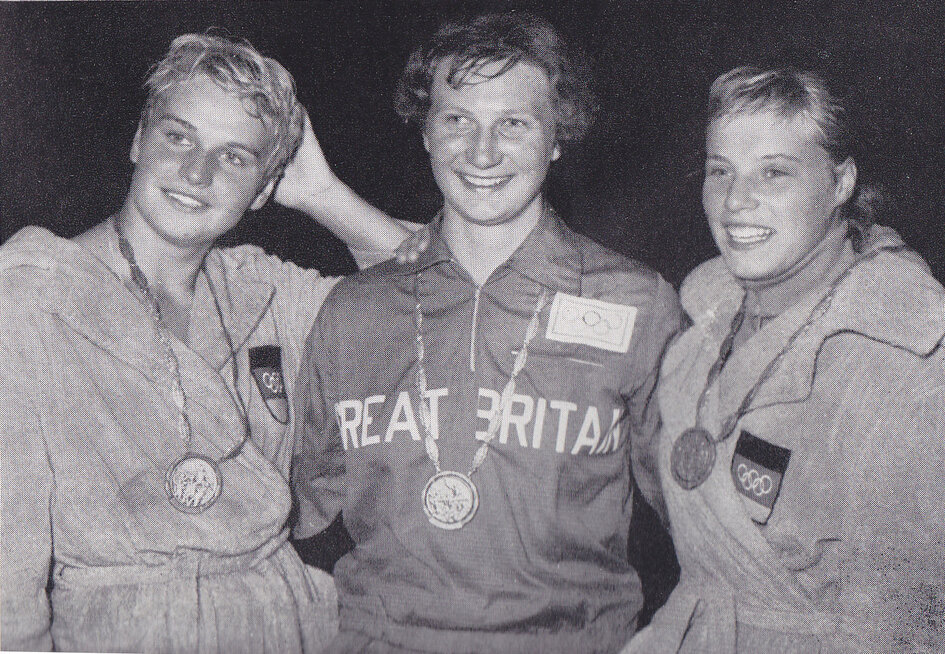
Il podio dei 200 rana femminili
Following the men’s 100-meter race, the women’s 200-meter breaststroke final began. Among the qualifying times, the 2' 52" (a new Olympic record) set by Germany’s Wiltrud Urselmann stood out, but the clear favorite to win remained Britain’s Anita Lonsbrough, who had recently set the world record in the 200-yard event. The race was incredibly tough; Urselmann covered the first 100 meters in 1'20“2, while Lonsbrough trailed far behind at 1'22”4. At the third turn, the British swimmer launched her attack on Urselmann, who, spurred on, accelerated for the final, decisive lap. Twenty-five meters from the finish, Longsbrough was clearly in the lead, while Urselmann attempted a final, desperate counterattack with her last strokes. As predicted, the British swimmer won with a time of 2'49"5, a new world record, with Urselmann also beating the old record by two-tenths of a second. The other German, Barbara Goebel, finished third.