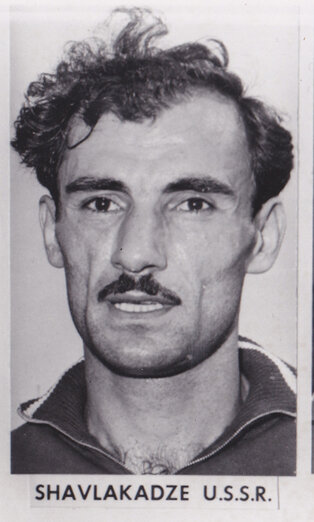
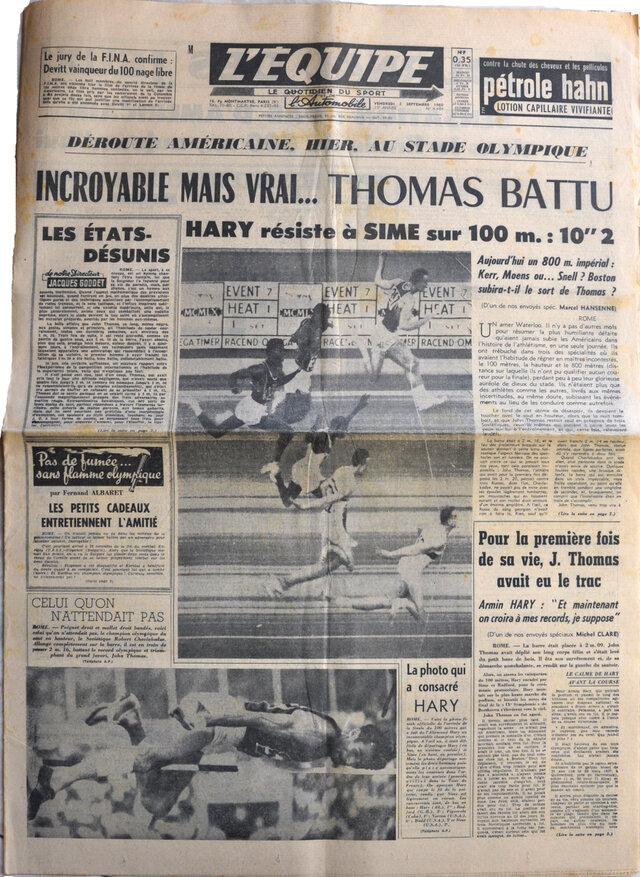
Hary - Shavlakadze
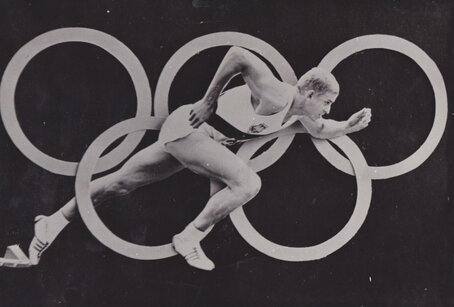
Nel pomeriggio, alle cinque e un quarto, gli uomini più veloci del mondo emersero dal sottopassaggio che si trovava all'estremità dell'Olimpico e mossero in ordine sparso verso la zona di partenza della finale dei 100 metri. Il primo a presentarsi in pista fu Armin Hary, 23 anni, soprannominato "ladro di partenze" perché spesso dava l'impressione di schizzare via dal blocco una frazione infinitesimale di secondo prima del colpo dello starter, ma che non sembrava avere l'aria di un concorrente all'oro olimpico. Il secondo ai blocchi era Peter Radford, Gran Bretagna, un fulmine dai capelli neri come il carbone. Poi fece ingresso Enrique Figuerola, dotato di grande tenacia e forza, era l'orgoglio di Cuba. Poi furono gli americani a sbucare dal tunnel con le loro tute blu intenso: Ray Norton, che si era presentato ai Giochi con l'aura della star, Dave Sime che appariva sciolto e sicuro e Francis Budd il più giovane dei tre ma quello che sembrava più in forma.
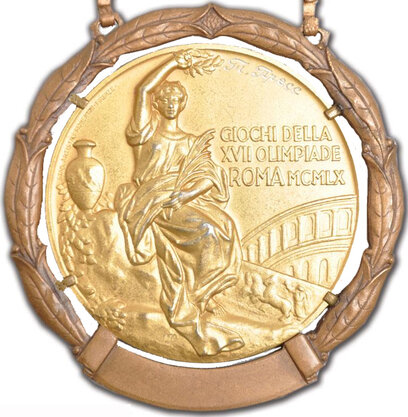
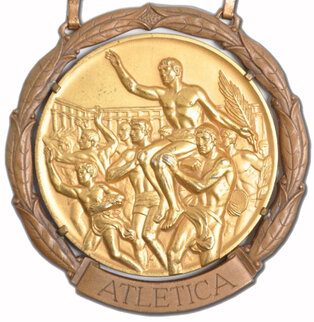
In the afternoon, at 5.15pm, the fastest men in the world emerged from the underpass at the far end of the Olympic Stadium and moved in no particular order towards the starting area of the 100-meter final. The first to show up on the track was Armin Hary, 23, nicknamed the "start thief" because he often gave the impression of splashing an infinitesimal fraction of a second off the block before the starter's shot, but who didn't look like an Olympic gold medalist. The second at the blocks was Peter Radford, Great Britain, a coal-black-haired lightning bolt. Then Enrique Figuerola entered, endowed with great tenacity and strength, he was the pride of Cuba. Then it was the Americans who emerged from the tunnel in their deep blue overalls: Ray Norton, who had entered the Games with the aura of a star, Dave Sime who appeared loose and confident, and Francis Budd, the youngest of the three but the one who looked fitter.
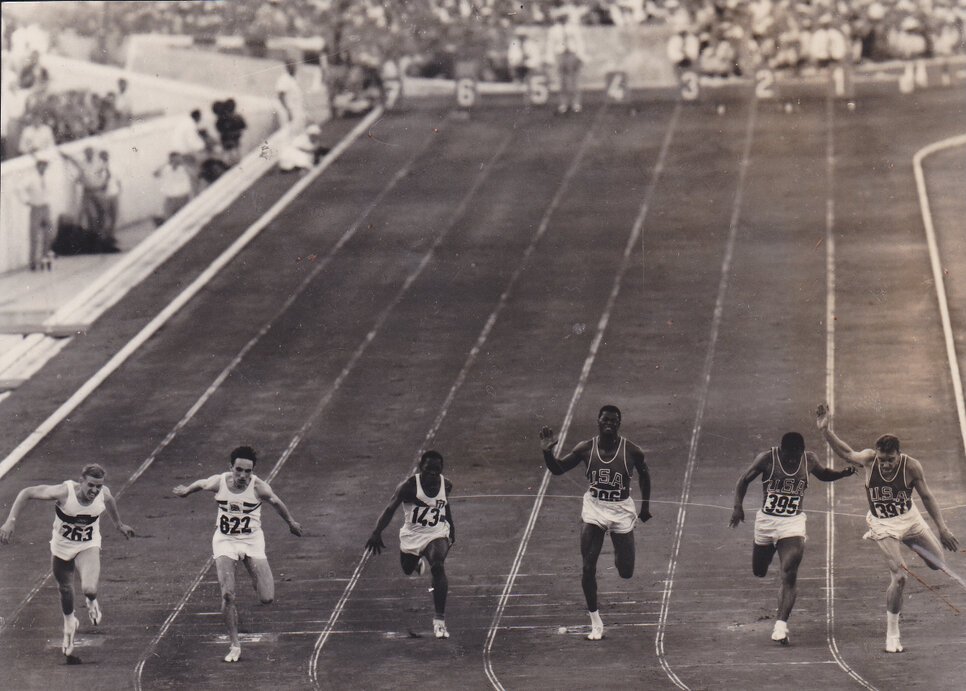
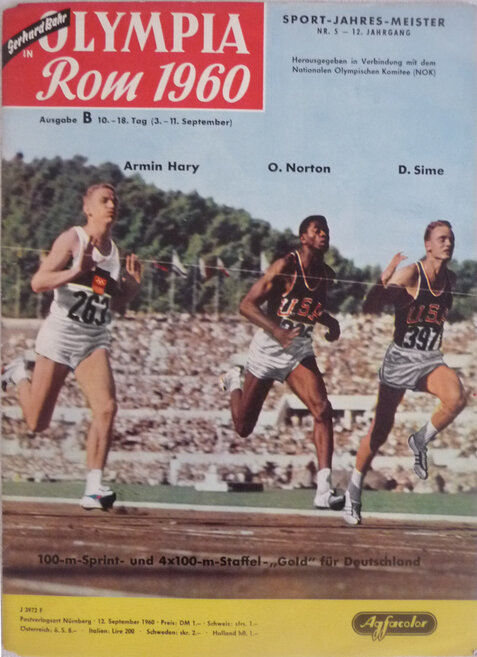
La tensione della gara era talmente alta che solo la terza delle partenze fu ritenuta buona dallo starter Sig. Pedrazzini. Norton e Hary erano partiti veloci, ma al terzo passo Hary aveva già disteso la falcata, rilassato e sciolto, mentre gli americani erano ancora ai passi brevi dell'accelerazione. Nella corsia esterna, ai 20 metri, Hary era già in chiaro vantaggio. Sime era mezzo metro dietro e Norton ancora più indietro anche se spingeva ancora con fiducia. Agli 80 metri gli inglesi in tribuna puntarono il dito verso la pista: era Radford che risaliva su Norton e Budd e poi su Figuerola. Ma ormai era una gara a due, Sime all'interno e Hary all'esterno. Hary era in vantaggio di pochissimo e nel finale Sime gli stava, improvvisamente, volando addosso. Chiusero insieme sul filo, a testa bassa, separati al massimo da un paio di centimetri. Sime sentiva di aver perso, sia pur d'un soffio, Hary sentiva di aver vinto, sia pur d'un soffio. E quello fu il risultato del fotofinish, nonostante i due siano stati accreditati dello steso tempo: 10"2. Radford terzo, poi Figueroa e gli altri due americani.

La gara del Salto in alto era un impegno che durava un giorno intero. Era partita la mattina alle nove, con 32 concorrenti, all'ora di pranzo si erano ridotti a diciassette che avevano superato i 2 metri. Nel pomeriggio il primo ad uscire fu l'americano Joe Faust e poi il suo connazionale Charles Dumas, oro a Melbourne. Quando anche lo svedese Petterson fallì i suoi tentativi a 2,08 in gara rimasero solo l'americano Thomas (grande favorito della vigilia) e tre sovietici: Bolshov, Brumel e Shavlakadze.
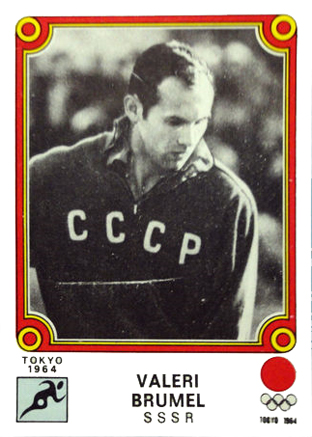
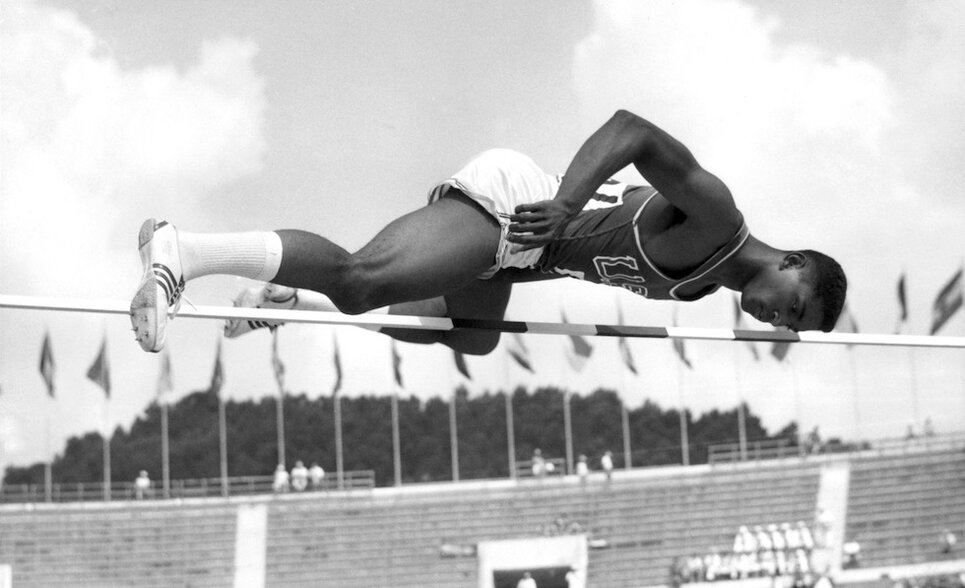
La gara proseguì fino a tarda sera, quando Thomas fallì i 2,16 e venne superato anche dall'altro sovietico Brumel nella corsa all'argento, Vinse l'oro Shavlakadze, che non aveva sbagliato un solo salto.