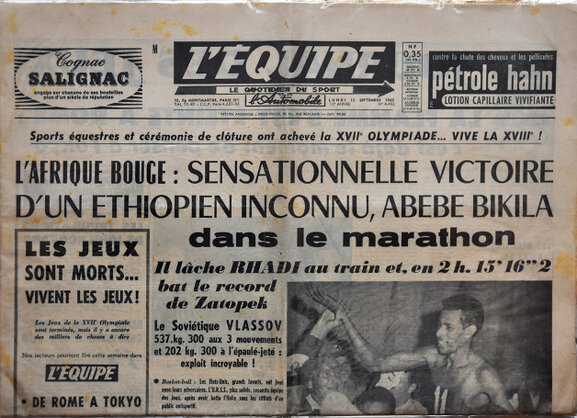
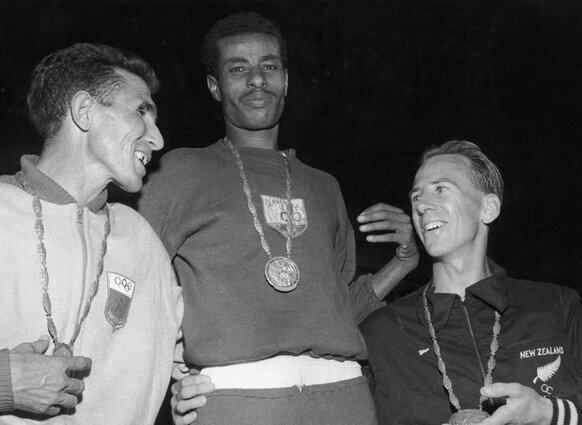
Maratona
ABEBE BIKILA (Maratona - Marathon)
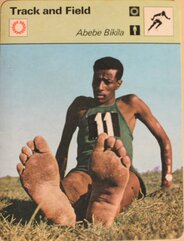
Nel punto di raccolta, alla sommità della scalinata del Campidoglio, 69 fondisti si stavano riscaldando, prima della partenza della Maratona, tra di loro un piccolo africano tutt'ossa che correva a piedi scalzi. Ma come faceva qualcuno a pensare di poter correre senza scarpe, si chiedevano tutti. Erano le cinque e un quarto di sabato 10 settembre, ultimo giorno di gare alle Olimpiadi di Roma. Le informazioni che circolavano presentavano tre inglesi, due neozelandesi, due sovietici ed un marocchino come i più probabili candidati alla composizione del gruppo di testa.
At the assembly point, at the top of the Capitoline steps, 69 cross-country skiers were warming up, before the start of the Marathon, among them a small, all-bone African running barefoot. But how did anyone think they could run without shoes, everyone wondered. It was a quarter past five on Saturday, September 10, the last day of competition at the Rome Olympics. The information circulating presented three Englishmen, two New Zealanders, two Soviets and a Moroccan as the most likely candidates for the composition of the leading group.
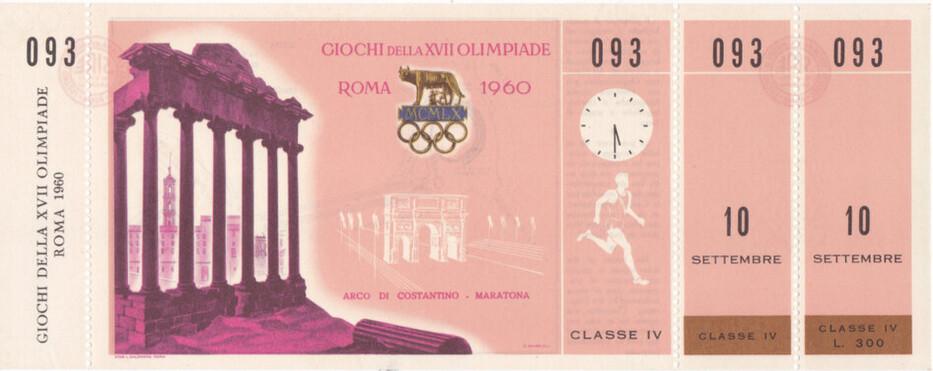
Il percorso prevedeva la partenza dal Campidoglio poi, dopo aver girato attorno all'obelisco di Axum, si raggiungeva la via Cristoforo Colombo fino all'incrocio con il raccordo anulare per toccare via Laurentina, via Ardeatina e tornare indietro attraverso l'Appia Antica, la Tomba di Ceciclia Metella, chiesa del Domine Quo Vadis, Porta San Sebastiano ed arrivo all'Arco di Costantino. Nessun'altra maratona, a partire dalla prima del 1896 ad Atene, aveva offerto una tale ricchezza di tradizione storica; il percorso era in buona parte un giro spettacolare nella storia dell'antica Roma. Nello stesso tempo, però, nessun'altra maratona sfidò così apertamente le tradizioni delle Olimpiadi moderne. Le maratone, di solito, si correvano alla luce del giorno e si chiudevano con l'ingresso dei corridori nello stadio più importante, dove ad attenderli c'era una folla osannante. Nel calore romano, la corsa ebbe inizio al tramonto e proseguì sino a sera, per concludersi non nello Stadio Olimpico, ma all'Arco di Costantino, in mezzo alle rovine dell'antica Roma.
The route started from the Capitoline Hill, then, after circling the Axum obelisk, reached Via Cristoforo Colombo up to the intersection with the ring road to touch Via Laurentina, Via Ardeatina and return through the Appian Way, the Tomb of Ceciclia Metella, the church of the Domine Quo Vadis, Porta San Sebastiano and arrival at the Arch of Constantine. No other marathon, starting with the first in 1896 in Athens, had offered such a wealth of historical tradition; the course was largely a spectacular lap in the history of ancient Rome. At the same time, however, no other marathon so openly challenged the traditions of the modern Olympics. Marathons were usually run in daylight and ended with runners entering the main stadium, where a cheering crowd awaited them. In the Roman heat, the race began at sunset and continued until evening, ending not in the Olympic Stadium, but at the Arch of Constantine, amidst the ruins of ancient Rome.
Campidoglio, partenza
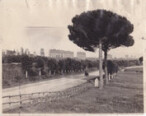
Via Appia
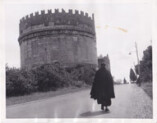
Cecilia Metella
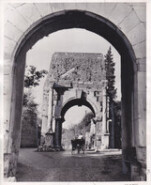
San Sebastiano
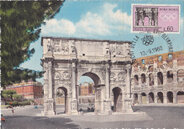
Arco di Costantino, arrivo
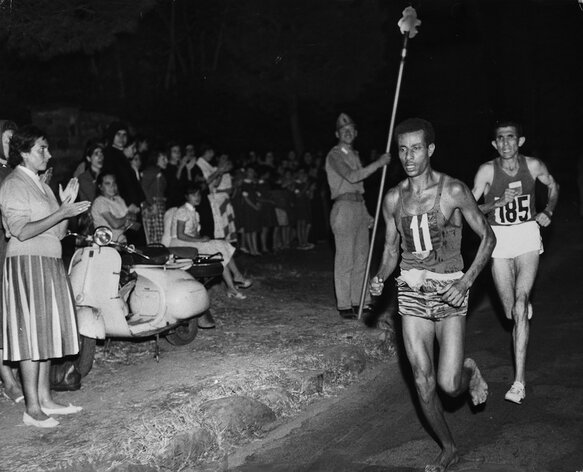
Nella prima parte della gara, il gruppo era guidato dal britannico Kelley seguito dal marocchino Abdessalem. Ci fu battaglia per i primi chilometri, quelli che portavano i concorrenti dalla Colombo all'Ardeatina e i vari Popov (URSS), Magee (NZ), McKenzie (USA) si alternavano alla testa della corsa, fino a quando una strana e magnifica scena si aprì agli occhi dei corridori: l'Appia Antica ed un migliaio di soldati che stazionavano sulla strada a dieci metri l'uno dall'altro con in mano delle torce, un'illuminazione umana. In basso i ciottoli di un manto stradale sconnesso, ai lati cipressi e antiche rovine.
In the first part of the race, the group was led by Britain's Kelley followed by Morocco's Abdessalem. There was battle for the first few kilometers, those that took the competitors from Colombo to Ardeatina and the various Popovs (USSR), Magee (NZ), McKenzie (USA) took turns at the head of the race, until a strange and magnificent scene opened up to the eyes of the runners: the Appian Way and a thousand soldiers who were stationed on the road ten meters apart with torches in their hands, a human illumination. Below are the pebbles of a rough road surface, on the sides cypress trees and ancient ruins.

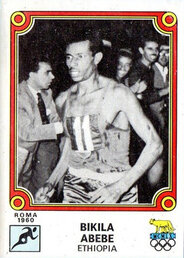
Ora tutti erano concentrati su due piccole figure che si muovevano nella notte davanti a tutti: Ben Abdessalem e Abebe Bikila. Correvano fianco a fianco, con i numeri 185 e 11. Il duello tra i due africani continuava passo dopo passo, fino ad oltre la chiesa del "Domine Quo Vadis" ed oltre la porta di San Sebastiano. Fu lì che Rhadi provò ad accelerare, ma Bikila non si fece sorprendere e partì al contrattacco riuscendo a rimanere solo al comando. Poi, improvvisamente, la strada si allargò e sullo sfondo apparve l'Arco di Costantino, lucente sul fondo oscuro della notte.
Now everyone was focused on two little figures moving in the night in front of everyone: Ben Abdessalem and Abebe Bikila. They ran side by side, with numbers 185 and 11. The duel between the two Africans continued step by step, until beyond the church of the "Domine Quo Vadis" and beyond the gate of San Sebastiano. It was there that Rhadi tried to accelerate, but Bikila was not surprised and started the counterattack, managing to remain alone in command. Then, suddenly, the road widened and in the background appeared the Arch of Constantine, shining on the dark background of the night.
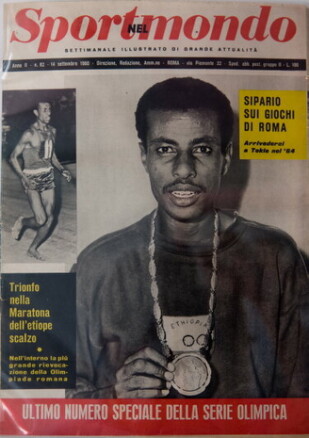
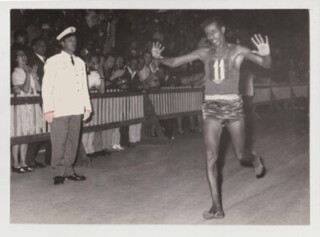
Abebe correva sul lato destro della strada, un'ombra proiettata dalle luci stroboscopiche correva insieme a lui, l'ultimo dei compagni che fosse riuscito a tenere il suo passo e, nei passi conclusivi, la sua ombra gli balzò avanti, gettandosi sulla linea d'arrivo. Il tempo fu di 2 ore, 15 minuti e 16 secondi.
Abebe ran on the right side of the road, a shadow cast by the strobe lights running with him, the last of his companions who could keep up, and in the final steps, his shadow leaped forward, throwing itself onto the finish line. The time was 2 hours, 15 minutes and 16 seconds.