
Vai ai contenuti

Stadio Flaminio - Le Olimpiadi d'Italia

Salta menù
LE OLIMPIADI D'ITALIA
Salta menù

Stadio Flaminio

LO STADIO FLAMINIO
"FLAMINIO" STADIUM
Dallo Stadio Nazionale allo Stadio Flaminio
From the National Stadium to the Flaminio Stadium
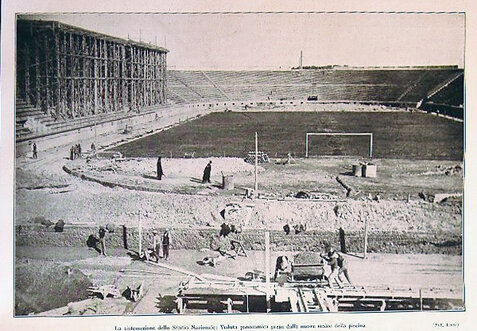
Lo Stadio Nazionale, anche noto come Stadio del Partito Nazionale Fascista e poi Stadio Torino, fu un impianto calcistico di Roma. La struttura fu inaugurata alla presenza dei sovrani il 10 giugno 1911; poi, in parte già danneggiato dall'usura e da numerose lesioni interne, fu ristrutturato una prima volta nel 1927 su iniziativa di Augusto Turati cambiando il proprio nome in Stadio del Partito Nazionale Fascista.
The Stadio Nazionale, also known as the Stadio del Partito Nazionale Fascista and later Stadio Torino, was a football stadium in Rome. The structure was inaugurated in the presence of the sovereigns on June 10, 1911; then, already partially damaged by wear and tear and numerous internal injuries, it was renovated for the first time in 1927 at the initiative of Augusto Turati, changing its name to the Stadium of the National Fascist Party..

Lo Stadio del Partito Nazionale Fascista fu ufficialmente inaugurato il 25 marzo 1928, con una gara che vide l’Italia, guidata da Baloncieri, superare 4-3 l'Ungheria. Tre anni dopo lo stadio divenne il campo di gioco della Lazio, inaugurato con un derby contro la Roma, il 24 maggio 1931 e terminato con il risultato di parità (2-2), a cui seguì una rissa finale, che comportò anche la squalifica di un turno per il Campo Testaccio.
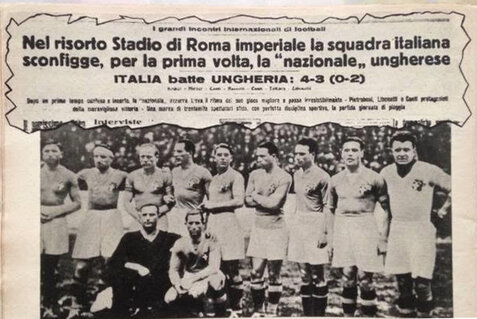
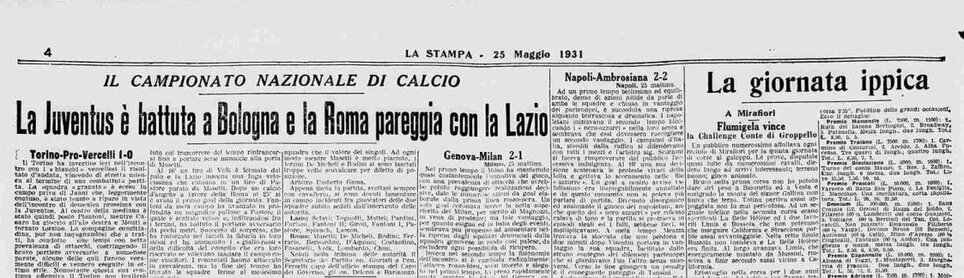
The National Fascist Party Stadium was officially inaugurated on March 25, 1928, with a match that saw Italy, led by Baloncieri, beat Hungary 4-3. Three years later the stadium became Lazio's playing field, inaugurated with a derby against Roma on 24 May 1931 and ending in a draw (2-2), which was followed by a final brawl, which also resulted in a one-match suspension for Campo Testaccio.

Lo stadio fu definito dal PNF come uno tra i più moderni e completi impianti costruiti in Europa. Le consistenti modifiche apportate dai lavori di ammodernamento non eliminarono i gravi difetti iniziali, come lo schema planimetrico a U, l'orientamento e l’inosservanza della curva di visibilità. Col passare degli anni lo stadio PNF rivelò nuovamente limiti funzionali e, soprattutto, di capienza tanto che a Roma tornò a manifestarsi l’esigenza di nuove strutture sportive.
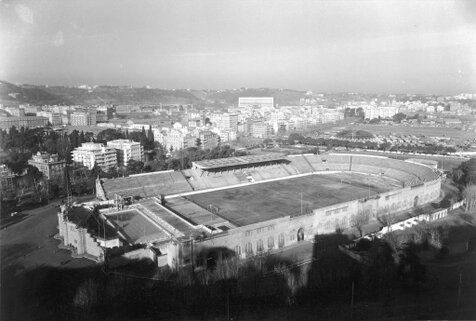
The PNF hailed this stadium as one of the most modern and comprehensive facilities built in Europe. The substantial modifications made during modernization work failed to eliminate serious initial flaws, such as the U-shaped layout, the orientation, and the failure to adhere to proper sightline standards. Over the years, the PNF stadium once again revealed functional limitations—and, above all, capacity constraints—leading to a renewed need for new sports facilities in Rome.
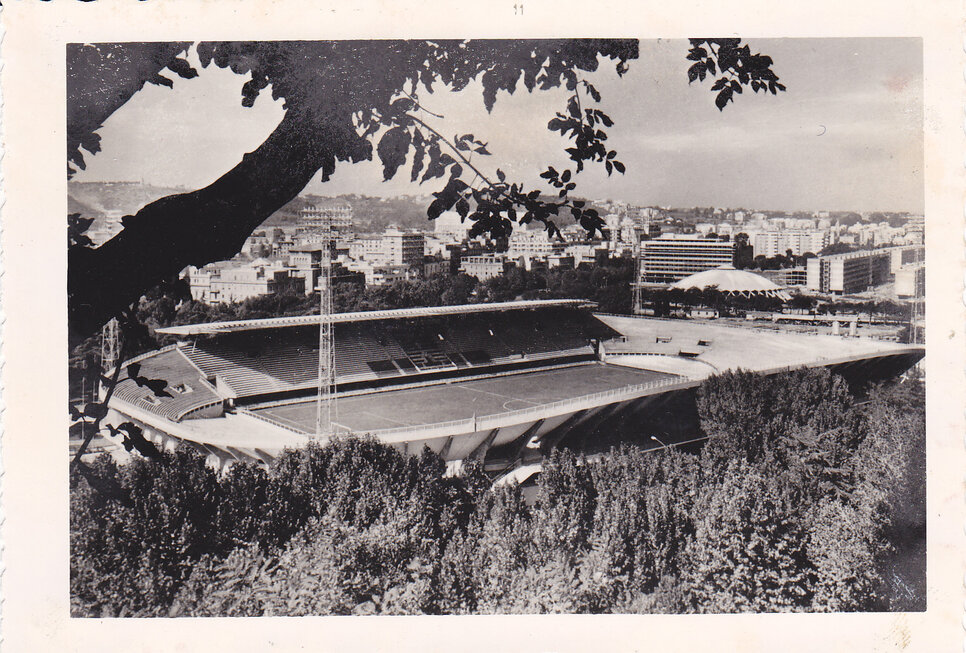
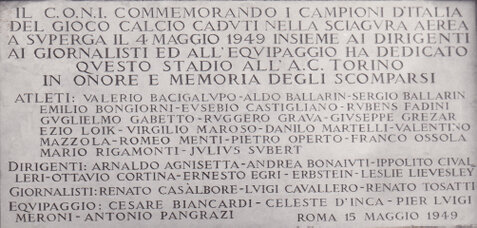
Il terreno al Flaminio (nel frattempo tornato a chiamarsi Stadio Nazionale e poi intitolato al grande Torino scomparso a Superga) venne abbandonato da entrambe le squadre di calcio cittadine nel 1953, quando fu costruito il nuovo Stadio Olimpico. Nel luglio 1957 l'impianto fu demolito e subito dopo iniziarono i lavori di costruzione dello Stadio Flaminio, su progetto degli architelli Pier Luigi e Antonio Nervi, conclusisi alla fine del 1958.
The ground of the National Stadium (later dedicated to the great Torino after the Superga crash) was abandoned by Rome and Lazio in 1953 when it was built the new Olympic Stadium. In July 1957 the plant was demolished and soon after started the construction work of the Flaminio Stadium, designed by architects Pier Luigi and Antonio Nervi, ended at the end of 1958.
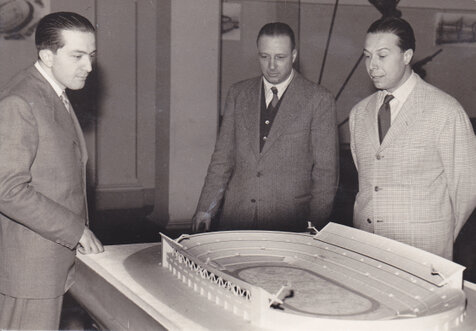
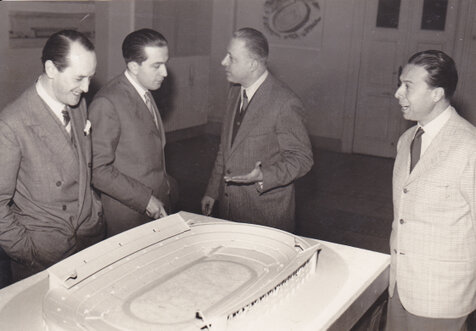
Il presidente ed il Segretario del CONI (Giulio Onesti e Bruno Zauli) e l'On. Andreotti ammirano il plastico del nuovo Stadio Flaminio. The president and Secretary of the CONI (Giulio Onesti e Bruno Zauli) and Hon. Andreotti admire the model of the new Flaminium Stadium.

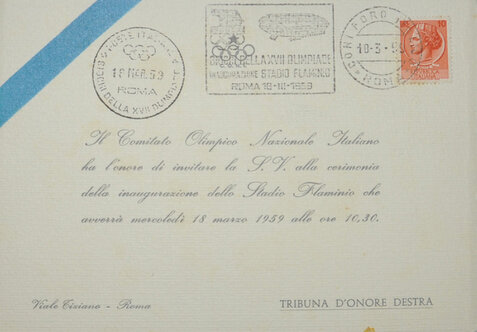
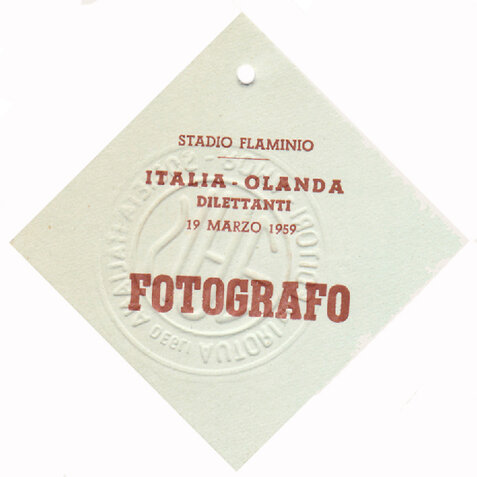
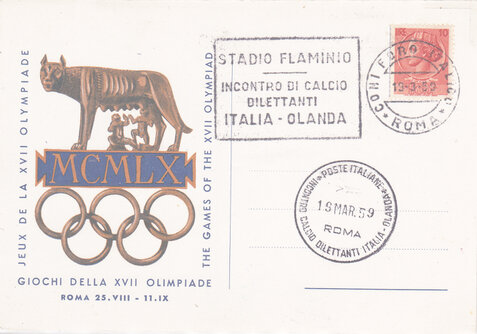
Lo Stadio Flaminio fu ufficialmente inaugurato il 18 marzo 1959 ed ebbe il battesimo sportivo all'indomani della inaugurazione, con la partita di calcio tra le rappresentative dilettanti di Italia e di Olanda. Questo stadio può raggiungere una capienza di 42.000 posti, di cui 8.000 coperti.
The Flaminio Stadium was officially inaugurated on 12th March 1959 and the following day witnessed the football match between the amateur teams of Italy and Holland. The stadium has a capacity for 42,000 persons of which 8,000 under cover.

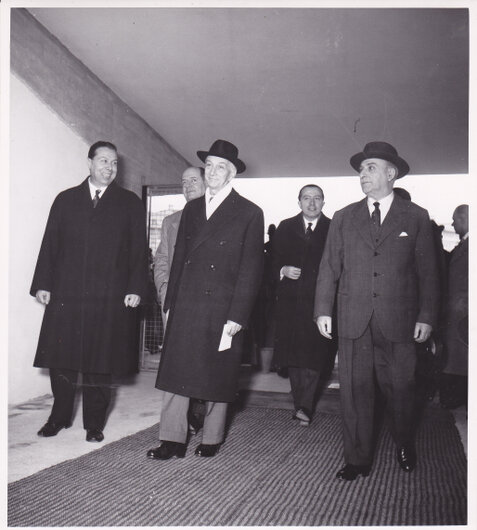
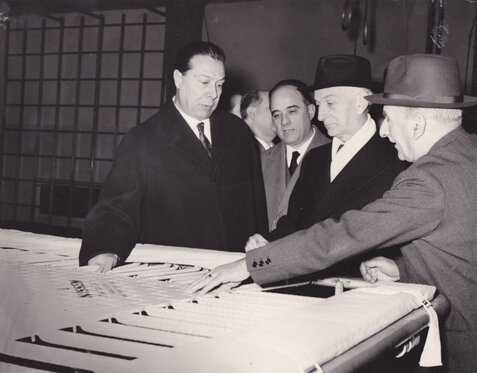
Il Presidente del Consiglio dei Ministri Antonio Segni, accompagnato dal Ministro Togni e dal Presidente del CONI Onesti, visita gli impianti sportivi sotto lo Stadio Flaminio prima della inaugurazione ufficiale.
Prime Minister Antonio Segni, accompanied by Minister Togni and CONI President Onesti, visits the sports facilities beneath the Flaminio Stadium prior to the official inauguration.
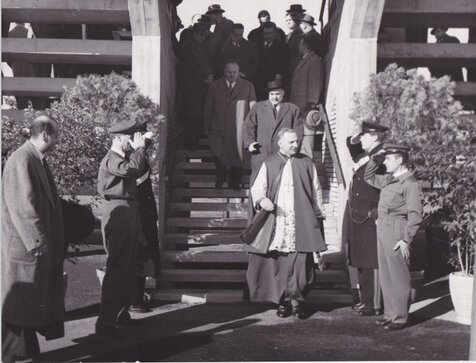
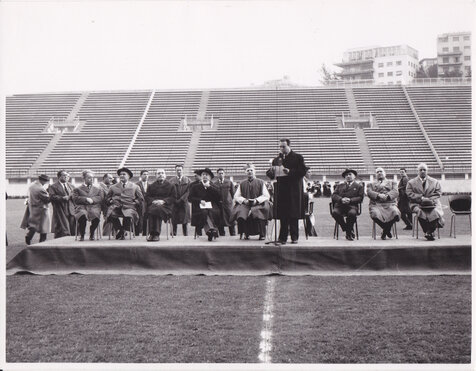
Il discorso ufficiale del Presidente del CONI Onesti
PALAZZETTO DELLO SPORT
SMALL SPORT PALACE
STADIO DEI MARMI
MARBLE STADIUM
Torna ai contenuti