Villaggio Bardonecchia
TORINO 2006 > IMPIANTI OLIMPICI > Montagna
VILLAGGIO OLIMPICO DI BARDONECCHIA
BARDONECCHIA OLYMPIC VILLAGE
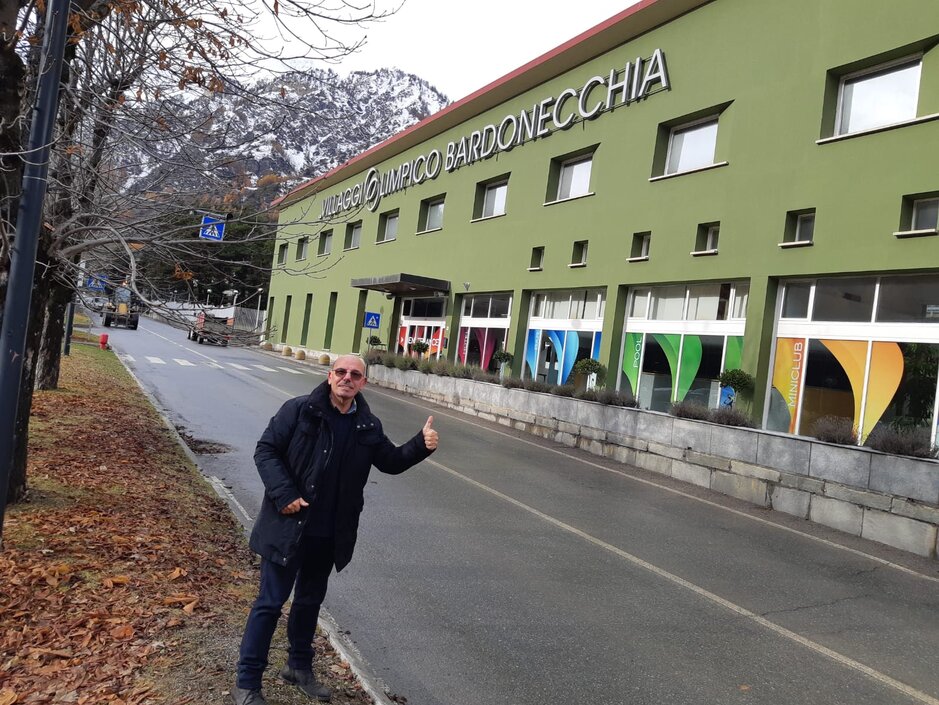
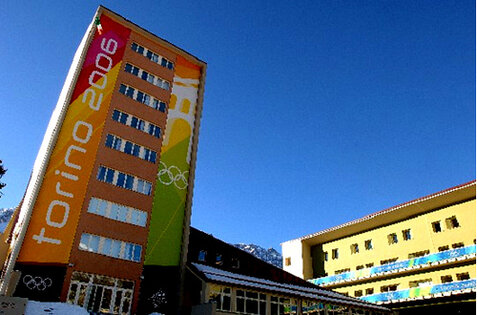
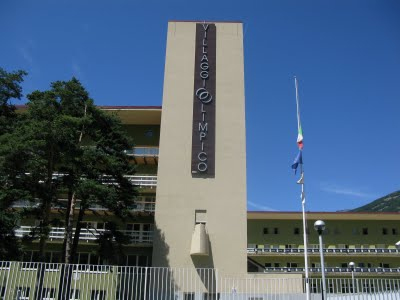
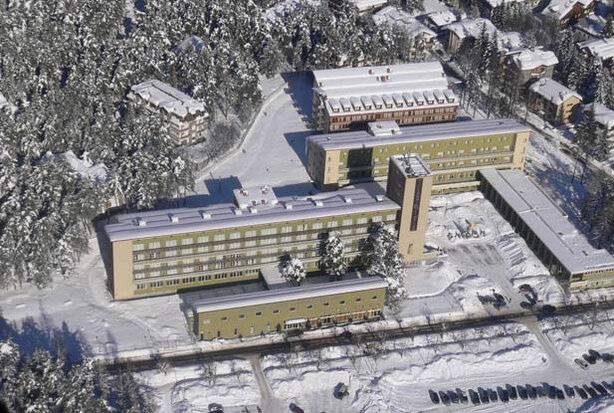
Il Villaggio Olimpico di Bardonecchia comprendeva le strutture residenziali che ospitavano gli atleti in gara a Bardonecchia, Sauze d'Oulx e Cesana Pariol: in tutto 720 persone, tra atleti e accompagnatori, per tre discipline: freestyle, snowboard e biathlon. Il Villaggio è stato il frutto di un significativo progetto di recupero della Colonia Medail, struttura storica realizzata tra il 1937 e il 1939. Il complesso, riportato a nuova vita, è stato studiato per ospitare i tecnici, gli atleti e i loro accompagnatori e per fornire loro varie tipologie di servizio: aree relax e divertimento, palestre, una piscina, un ristorante, sale mediche e sale massaggi, un'area commerciale, un ufficio postale, un Olympic Store, un'agenzia di viaggi, una banca, una caffetteria. Il Villaggio includeva anche una serie di zone operative destinate al personale di servizio: un centro accrediti, un'area per trasporti e logistica, un centro operativo. Il Villaggio è stato completato nel novembre 2005: solo un edificio è stato costruito ex novo e aggiunto a quelli già esistenti. Quattro delle sei costruzioni, tutte dedicate all'uso residenziale, erano già collegate fra loro e non hanno quindi richiesto passaggi e percorsi all'esterno, elemento che ha reso molto più facile e godibile la permanenza agli ospiti. La piscina e un teatro erano già inseriti nel comprensorio. All'interno dell'hard-ring, la cintura di sicurezza più esterna all'impianto, sono state pianificate alcune strutture temporanee per ospitare i controlli di Mag&Bag (rilevatore di metalli) ai varchi, il deposito bagagli e ulteriori 90 posti per la ristorazione dedicata agli atleti. Le operazioni nell'impianto sono iniziate il 27 gennaio 2006 con l'arrivo delle prime delegazioni.
The Bardonecchia Olympic Village included the residential facilities housing athletes competing in Bardonecchia, Sauze d'Oulx, and Cesana Pariol. A total of 720 people, including athletes and their companions, competed in three disciplines: freestyle, snowboarding, and biathlon. The Village was the result of a significant restoration project at the Colonia Medail, a historic structure built between 1937 and 1939. The complex, brought back to new life, was designed to house technicians, athletes and their companions and to provide them with various types of service: relaxation and fun areas, gyms, a swimming pool, a restaurant, medical and massage rooms, a shopping area, a post office, an Olympic Store, a travel agency, a bank, a café. The Village also included a number of operational zones for service personnel: an accreditation centre, a transport and logistics area, an operations centre. The Village was completed in November 2005: only one building was newly constructed and added to the existing ones. Four of the six buildings, all dedicated to residential use, were already connected to each other and therefore did not require passages or paths outside, an element that made it much easier and more enjoyable for guests to stay. The swimming pool and a theatre were already included in the complex. Inside the hard-ring, the seat belt furthest outside the Venue, some temporary structures have been planned to house Mag&Bag (metal detector) checks at the gates, luggage storage and an additional 90 places for catering for athletes. Operations in the Venue began on 27 January 2006 with the arrival of the first delegations.
dal Rapporto Ufficiale

VILLAGGIO OLIMPICO DI SESTRIERE
VIAGGIO DELLA FIACCOLA OLIMPICA
OLYMPIC TORCH RELAY