Vai ai contenuti

Le strade di Roma - Le Olimpiadi d'Italia

Salta menù
LE OLIMPIADI D'ITALIA
Salta menù

Le strade di Roma

ROMA 1960 > ROMA OLIMPICA > Le strade di Roma
LE STRADE DI ROMA - THE STREETS OF ROME


Le Olimpiadi di Roma 1960 sono uno spartiacque nella storia della Capitale sul piano urbanistico. Per trasformare la città bastarono 5 anni: i Giochi erano stati assegnati nel 1955 e Roma aveva battuto Losanna nell´ultimo ballottaggio. L’Italia sta entrando nel boom economico. Nascono nuovi quartieri, nuove strade, si moltiplicano le autovetture. A Roma nel 1955 il Presidente della Repubblica Luigi Einaudi inaugura la metropolitana. Viene completato il quartiere dell’Eur, che, dopo il prolungamento della via Cristoforo Colombo, vede nascere la Fiera, il laghetto ed il “fungo“. Sulle pendici di Monte Mario viene edificato l’Hotel Hilton. Roma modifica radicalmente la viabilità: il tram viene praticamente abolito. Sono costruite nuove arterie come la Via Olimpica e Corso Francia, disegnato dall’Architetto Pierluigi Nervi, che passa sopra il villaggio olimpico. Poco prima dell’inizio delle Olimpiadi viene aperto lo scalo aereo di Fiumicino.
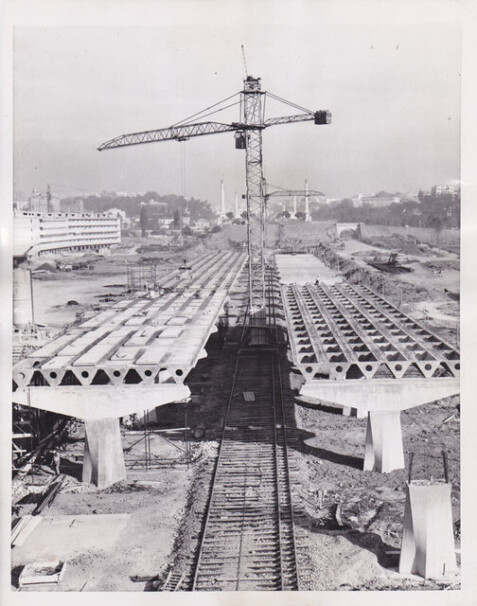

The 1960 Rome Olympics are a watershed moment in the capital's urban history. It took just five years to transform the city: the Games had been awarded in 1955 and Rome had beaten Lausanne in the last runoff. Italy is entering the economic boom. New neighborhoods are born, new streets, and cars are multiplying. In Rome in 1955, the President of the Republic Luigi Einaudi inaugurated the metro. The Eur district is completed, which, after the extension of Via Cristoforo Colombo, sees the birth of the Fair, the lake and the “mushroom“. The Hilton Hotel is built on the slopes of Monte Mario. Rome radically changes traffic flow: the tram is virtually abolished. New arteries are being built, such as the Via Olimpica and Corso Francia, designed by architect Pierluigi Nervi, which passes over the Olympic village. Shortly before the start of the Olympics, the Fiumicino airport opened.
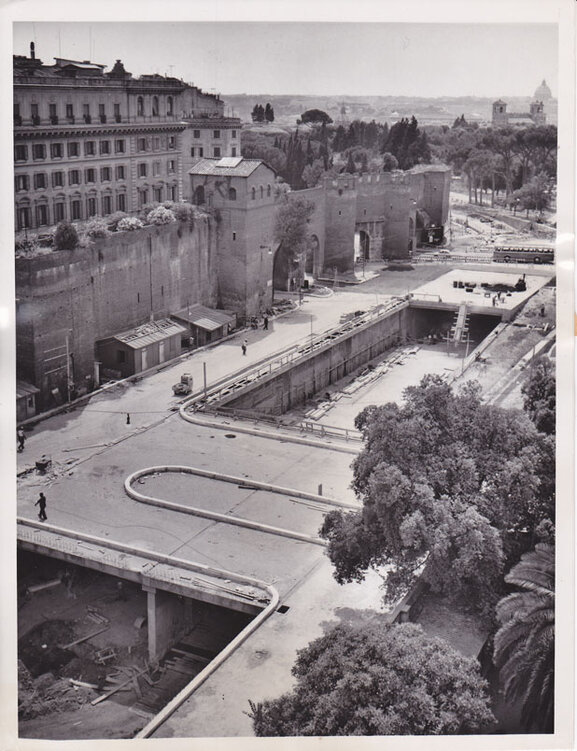
Veduta della nuova strada sopraelevata in costruzione a Roma, attraverso il quale si arriverà al nuovo stadio che ospiterà le Olimpiadi del 1960.
View of the new elevated road under construction in Rome, which will lead to the new stadium that will host the 1960 Olympics.

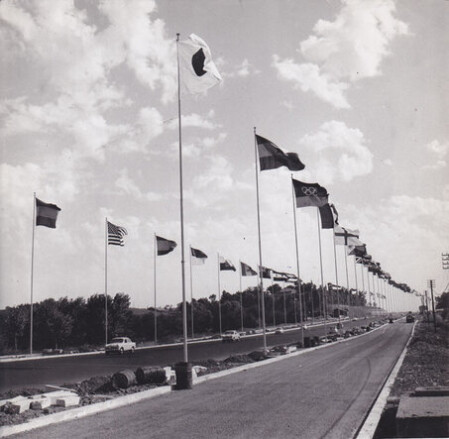
Tra le varie infrastrutture che fu necessario costruire da zero, ci fu, ad esempio, la via Olimpica: una sorta di circonvallazione che collegava tra loro alcuni dei principali impianti sportivi ed il villaggio degli atleti.
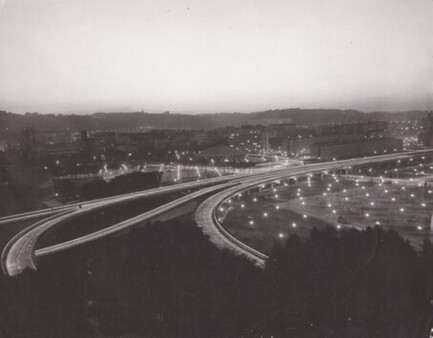
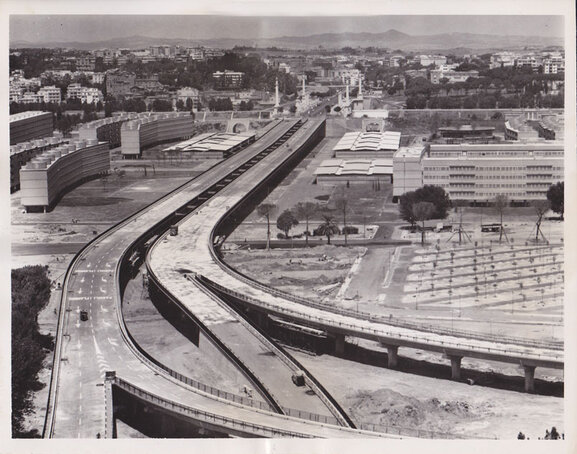
Among the various infrastructures that needed to be built from scratch was, for example, the Via Olimpica: a sort of ring road that connected some of the main sports facilities and the athletes' village.
Il vecchio ed il nuovo percorso parallelo vicino alla lussuosa Villa Borghese di Roma, dove un sottopasso costeggia le antiche Mura Aureliane della città, risalenti al III secolo. Il nuovo sottopasso è parte di un ampio sistema viario che sarà completato per le Olimpiadi del 1960.
The old and new parallel route near Rome's luxurious Villa Borghese, where an underpass runs alongside the city's ancient Aurelian Walls, dating back to the 3rd century. The new underpass is part of an extensive road system that will be completed for the 1960 Olympics.
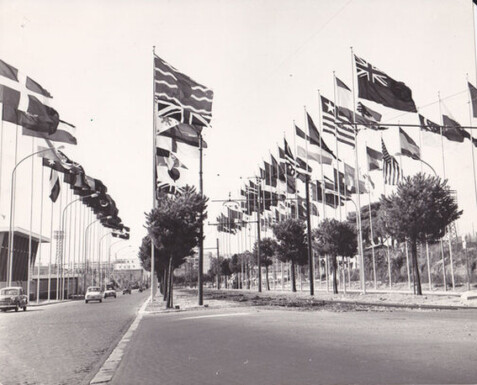
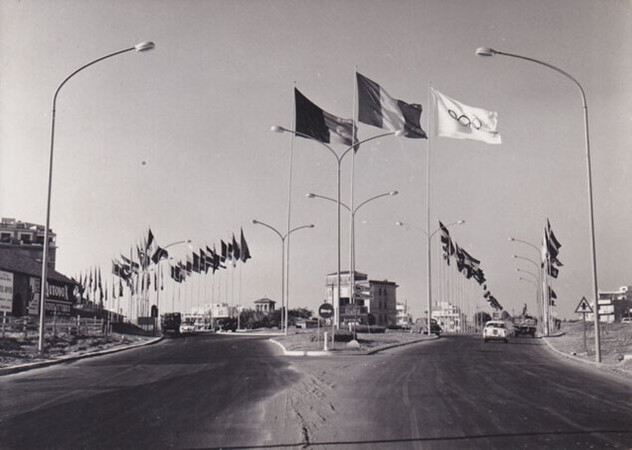
Le strade di Roma imbandierate e le vie Cassia e Flaminia all'incrocio di congiunzione con Corso Francia.
The streets of Rome lined and the Via Cassia and Via Flaminia at the junction with Corso Francia.

ROMA CAMBIA VOLTO
ROME IS CHANGING ITS LOOK
VIDEO
Torna ai contenuti