Vai ai contenuti

Bianchetto e Beghetto - Le Olimpiadi d'Italia

Salta menù
LE OLIMPIADI D'ITALIA
Salta menù

Bianchetto e Beghetto

ROMA 1960 > LE GARE > Ciclismo

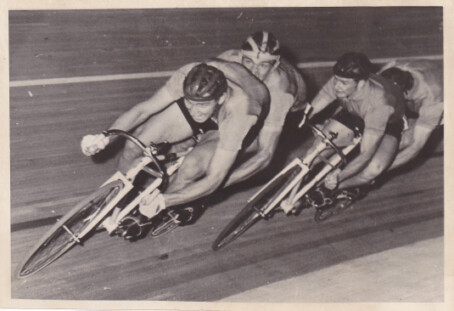
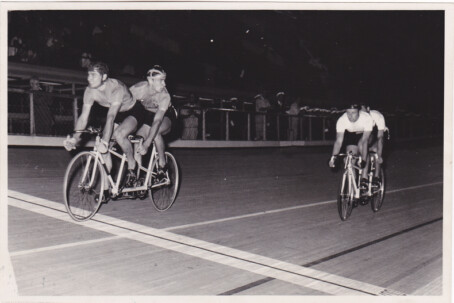
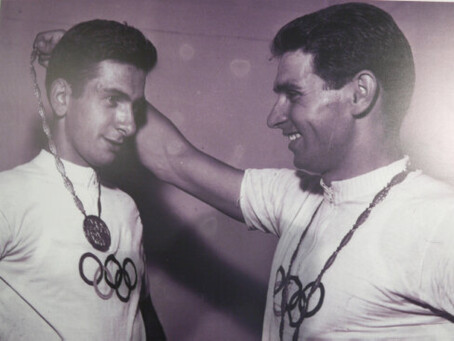
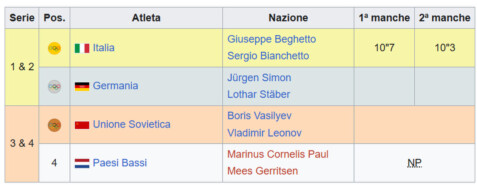
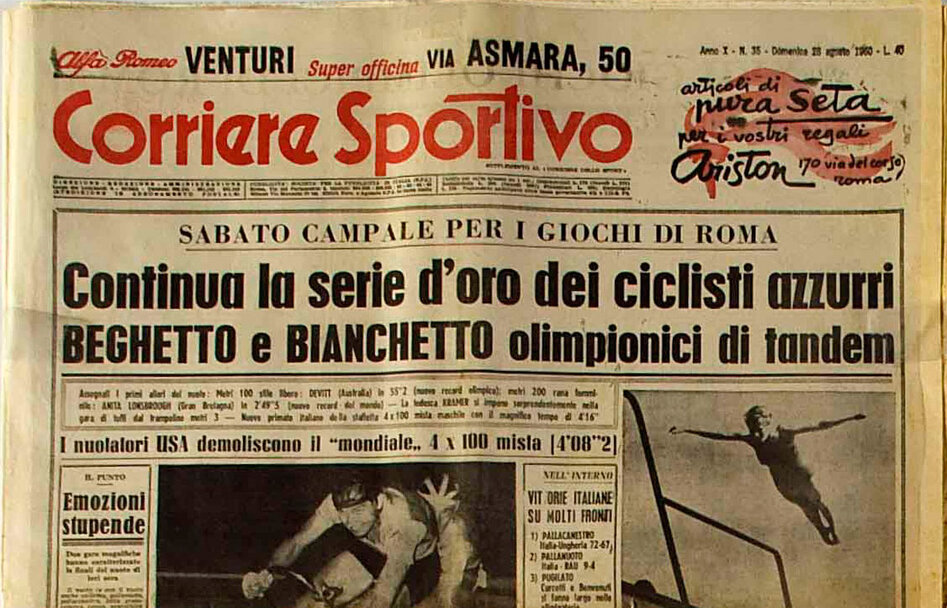
Il 28 agosto (terzo giorno per il ciclismo), portò la terza medaglia d'oro all'Italia, grazie al tandem sui 2 chilometri. Favoriti erano gli olandesi e gli australiani, ma iniziate le eliminatorie si ebbe subito la sorpresa della eliminazione sia dei "canguri" che degli "arancioni" ad opera, rispettivamente, di tedeschi e sovietici. Passarono il turno Simon-Staber (GER), Vasiliev-Leonov (URSS), Surrugue-Scob (FRA), Handley-Thompson (GB), Miklusica-Skvarenina (CEC), Bianchetto-Beghetto (ITA), Hartman-Sharp (USA) e Paul-Gerritsen (OLA). Nei quarti, gli azzurri eliminarono gli americani ed i sovietici fecero la stessa cosa con i britannici; negli altri due quarti i tedeschi eliminarono i cecoslovacchi mentre gli olandesi hanno dovuto sudare per aver ragione dei francesi. Le semifinali si svolsero il 27 sera. All'Italia (miglior tempo di qualificazione - 10'2), venne accoppiata proprio la squadra olandese, la Germania dovette vedersela con l'URSS. Il tandem italiano si aggiudicò la prima manche e, grazie ad una caduta della coppia olandese, si aggiudicò anche la seconda accedendo così alla finale. Subito dopo i tedeschi rifilarono un 2 a 0 ai sovietici e raggiunsero anch'essi l'ambito traguardo. Nella finale per l'oro, Bianchetto e Beghetto regolarono tatticamente le due sfide in maniera da lanciarsi in testa all'ultimo giro e resistrere al ritorno degli avversari. I tedeschi avevano vinto tutte le loro prove portandosi avanti e non lasciando spazio a recuperi. La vittoria degli italiani fu la vittoria della strategia oltre che della classe.  
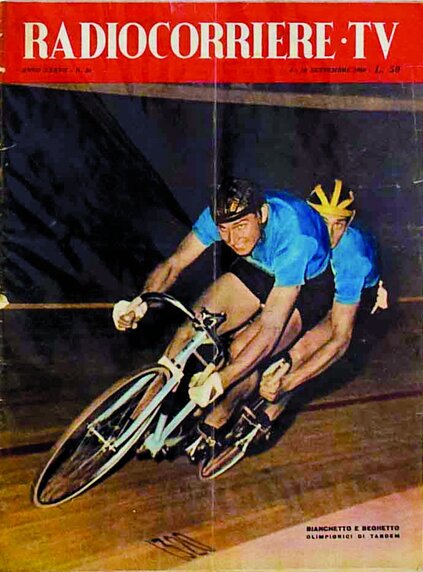
On August 28 (the third day of cycling), Italy won its third gold medal, thanks to the 2-kilometer tandem event. The Dutch and Australians were the favorites, but once the preliminary rounds began, there was an immediate surprise: both the “Kangaroos” and the “Orange” were eliminated by the Germans and the Soviets, respectively. Advancing to the next round were Simon-Staber (GER), Vasiliev-Leonov (USSR), Surrugue-Scob (FRA), Handley-Thompson (GB), Miklusica-Skvarenina (CEC), Bianchetto-Beghetto (ITA), Hartman-Sharp (USA), and Paul-Gerritsen (NED). In the quarterfinals, the Italians eliminated the Americans, and the Soviets did the same to the British; in the other two quarterfinals, the Germans eliminated the Czechoslovaks, while the Dutch had to work hard to get the better of the French. The semifinals took place on the evening of the 27th. Italy (with the fastest qualifying time—10.2) was paired against the Dutch team, while Germany faced the USSR. The Italian duo won the first heat and, thanks to a fall by the Dutch pair, also won the second, thus advancing to the final. Shortly afterward, the Germans handed the Soviets a 2–0 defeat and also reached the coveted final. In the gold medal final, Bianchetto and Beghetto tactically controlled both heats, surging into the lead on the final lap and holding off their opponents’ comeback. The Germans had won all their heats by pulling ahead early and leaving no room for a comeback. The Italians' victory was a victory of strategy as well as of skill.
Torna ai contenuti