Vai ai contenuti

Davis - Helliot - Le Olimpiadi d'Italia

Salta menù
LE OLIMPIADI D'ITALIA
Salta menù

Davis - Helliot

Otis Davis

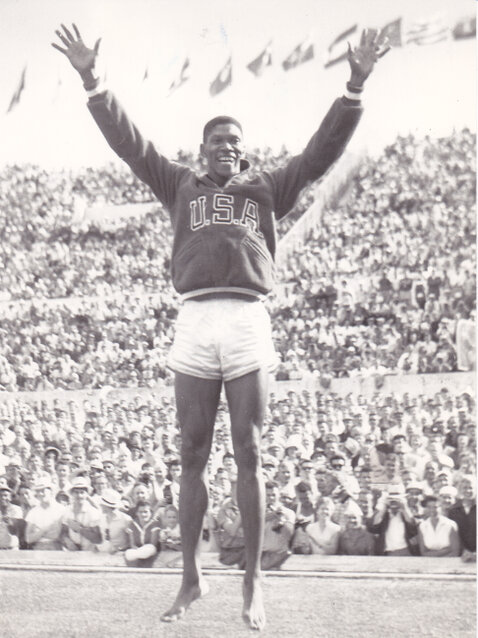
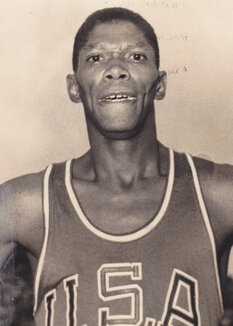
La prima finale del 6 settembre fu quella dei 400 metri piani. I concorrenti alla partenza erano i tedeschi Manfred Kinder e Carl Kaufmann, gli americani Otis Davis e Earl young, il sudafricano Malcom Spence ed il più esotico di tutti, l'indiano Milkka Singh, soprannominato "il Singh volante", che correva con una folta barba e i capelli lunghi sciolti, a volte raccolti in un turbante o legati in cima in un nodo con un fazzoletto.
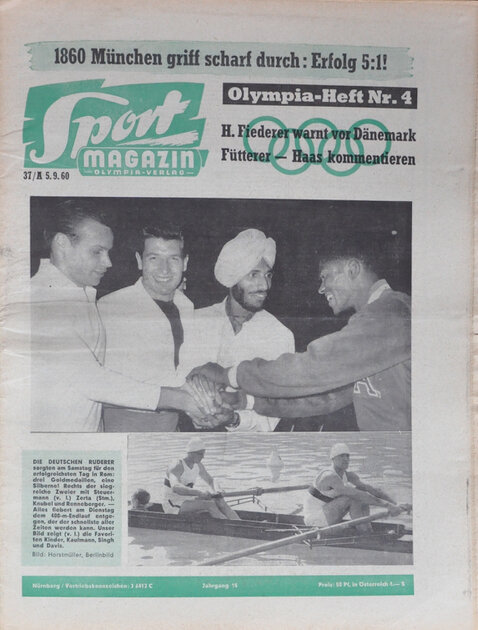
The first final on September 6 was the 400-meter dash. The competitors at the start were the Germans Manfred Kinder and Carl Kaufmann, the Americans Otis Davis and Earl young, the South African Malcolm Spence and the most exotic of all, the Indian Milkka Singh, nicknamed "the Flying Singh", who ran with a thick beard and long hair loose, sometimes tied in a turban or tied at the top in a knot with a handkerchief.

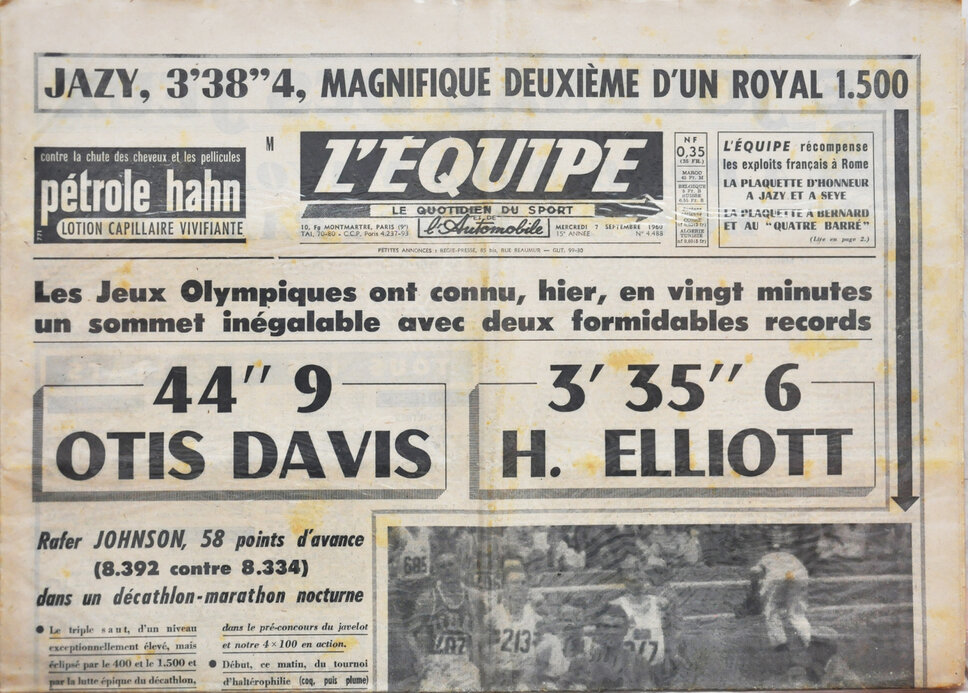
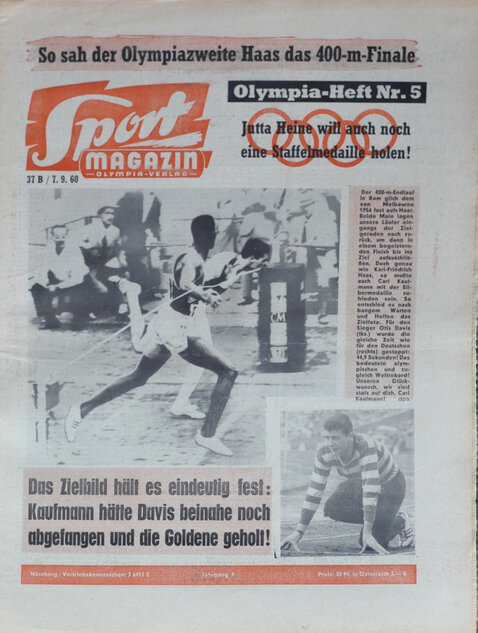
Allo sparo dello starter, Singh e Spencer partirono come dei razzi prendendo subito il comando, quindi il sudafricano aumentò la frequenza e tenne il comando fino a tre quarti di gara. A quel punto l'accelerazione di Davis lo condusse ad affiancare il provvisorio leader della gara. Spencer cedette subito, Singh non rispose e così l'americano uscì in dirittura con un buon vantaggio su Spencer. Ma era ora il turno di Kaufmann di dare fondo alle sue energie, lui che era il vero favorito dai pronostici. Il rush del tedesco lo portò letteralmente a mettere il sale nella coda di Davis, ma l'americano gli sfuggì proprio sul traguardo, altri 5 metri e lo avrebbe ripreso. Il suo ritardo sul filo di lana fu di solo 1 centesimo di secondo, ma il tempo che apparve sul cartellone fu di 44"9 per entrambi, bisognava attendere l'esito del fotofinish. Poi, quando ci fu l'annuncio della sua vittoria, Davis saltò in aria dalla panchina come una palla, danzò una danza scomposta ricca di salti che qualcuno definì "scimmieschi" e si mise a ridere fragorosamente. Bronzo al sudafricano Malcolm Spencer (45'5).

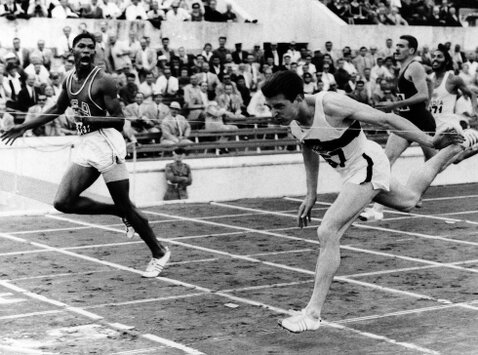
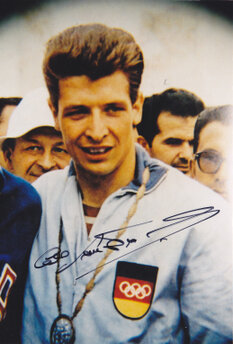
When the starter fired, Singh and Spencer took off like rockets and immediately took the lead, so the South African increased the frequency and held the lead until three-quarters of the way through the race. At that point Davis' acceleration led him to partner the provisional race leader. Spencer immediately gave in, Singh did not respond and so the American went out on the straight with a good lead over Spencer. But it was now Kaufmann's turn to put his energy to rest, he who was the real favorite by the odds. The German's rush literally led him to put salt in Davis's tail, but the American eluded him right at the finish line, another 5 meters and would catch him. His delay on the wool thread was only 1 hundredth of a second, but the time that appeared on the bill was 44"9 for both, we had to wait for the outcome of the photo finish. Then, when his victory was announced, Davis leaped off the bench like a ball, danced a rambling dance filled with leaps that some called "monkeys," and laughed out loud. Bronze to South African Malcolm Spencer (45'5).
Karl Kaufmann
Otis Davis
Herbert Helliot

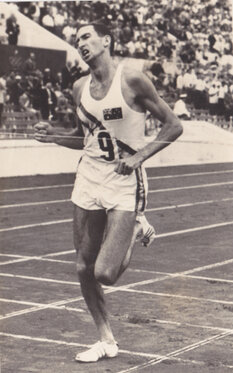
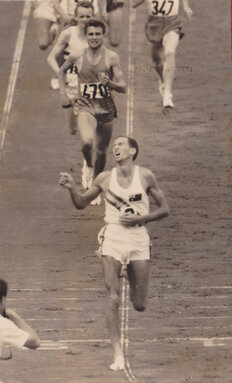
"Quando corre sembra attingere all'espressione istintiva e incondizionata di tutte le sue potenzialità, può disporre di un cervello capace di regolare la sua corsa, nessun altro atleta a Roma ha esercitato una tale superiorità sui suoi rivali come Helliot nei 1500 metri", questo scrisse di lui un noto giornalista del Sunday Times, dopo aver visto correre Herb Helliot nella finale di Roma.

"When he runs he seems to draw on the instinctive and unconditional expression of all his potential, he can have a brain capable of regulating his running, no other athlete in Rome has exercised such superiority over his rivals as Helliot in the 1500 metres," a well-known Sunday Times journalist wrote of him, after seeing Herb Helliot run in the final in Rome.

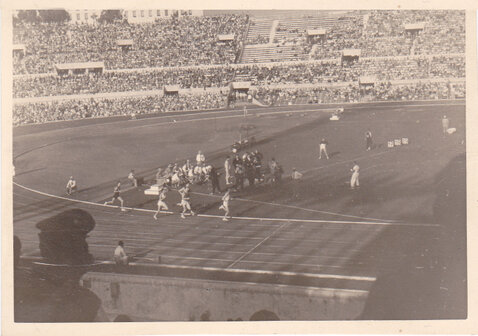
Nella finale dei 1500 metri, Helliot si collocò sulla corsia interna e venne superato da molti concorrenti trovandosi subito imbottigliato nel gruppo centrale. Alla fine del primo giro era quarto e rimase in quella posizione anche nel secondo giro. Poi, dopo la prima curva del terzo giro di pista, avanzò facilmente al comando, staccando di pochi metri il francese Michel Bernard e l'ungherese Istvan Rozsavolgyi. Proseguì sullo slancio senza spingere per mezzo giro, prima di sprintare in avanti d'improvviso, come se fosse stato spinto da un motore a reazione. Nella curva che lo portava all'ultimo giro, cominciò ad incrementare il suo vantaggio. Mentre spingeva sul rettilineo finale, Helliot dovette lottare contro la stanchezza. E lottò, non mollò e vinse demolendo, con il tempo di 3'35"6, il vecchio record olimpico, stabilito dall'irlandese Ron Delaney a Melbourne quattro anni prima, di quasi 6 secondi.

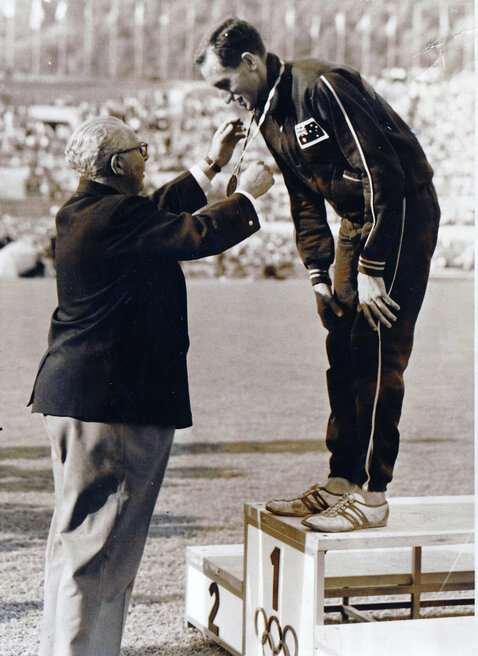
In the 1500-meter final, Helliot placed himself in the inside lane and was overtaken by many competitors and immediately found himself stuck in the middle group. By the end of the first lap he was fourth and remained in that position on the second lap. Then, after the first corner of the third lap of the track, he easily advanced to the lead, beating Frenchman Michel Bernard and Hungarian Istvan Rozsavolgyi by a few metres. He continued on the momentum without pushing for half a lap, before suddenly sprinting forward, as if propelled by a jet engine. On the corner that took him to the final lap, he began to increase his lead. As he pushed down the home straight, Helliot struggled with fatigue. And he fought, he didn't give up and won by demolishing, with a time of 3'35"6, the old Olympic record, set by Irishman Ron Delaney in Melbourne four years earlier, by almost 6 seconds.
Torna ai contenuti