Vai ai contenuti

Boston - Berruti - Le Olimpiadi d'Italia

Salta menù
LE OLIMPIADI D'ITALIA
Salta menù

Boston - Berruti

Ralph Boston

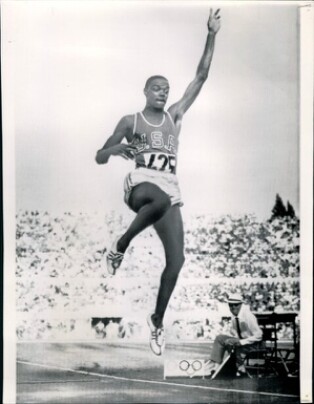
Sulla pedana del lungo, quel pomeriggio avanzato del 2 settembre, il campo quasi ingestibile di 49 concorrenti si era sfoltito e ridotto agli sforzi decisivi degli americani Ralph Boston e Bo Robertson, del tedesco Manfred Steinbach e del sovietico Ter-Ovanesyan. Toccava a Boston che mentre correva per il suo ultimo salto romano, avvertì che qualcosa non andava nel suo passo. In volo tentò di concentrarsi sui piedi per centrare bene l'atterraggio. Non perfetto - sapeva di poter far meglio - ma quando gli addetti comunicarono la misura ufficiale di 8,12, Boston capì di aver migliorato il record olimpico. Sapeva anche che questo non gli assicurava nemmeno una medaglia, perché ai suoi tre rivali restava ancora un salto.


On the long course, that late afternoon of September 2, the almost unmanageable field of 49 competitors had thinned out and been reduced to the decisive efforts of Americans Ralph Boston and Bo Robertson, German Manfred Steinbach and Soviet Ter-Ovanesyan. It was Boston's turn that as he ran for his final Roman jump, he warned that something was wrong with his pace. In flight he attempted to concentrate on his feet to center the landing well. Not perfect - he knew he could do better - but when officials announced the official measurement of 8.12, Boston realized he had improved the Olympic record. He also knew that this didn't even guarantee him a medal, because his three rivals still had one leap left.

Il primo fu Igor Ter-Ovanesyan che si levò in aria atterrando a 8,04, dietro Boston, ma avanti a tutti gli altri. Manfred Steinbach, lunghista e velocista passato dalla Germania Est  a quella Orientale l'anno prima, saltò subito dopo ed anche lui toccò gli 8 metri, ma senza superarli, a pochi centimetri dal sovietico. Ora restava solo il salto di Bo Roberton. Boston era lì accanto, il suo cuore doveva picchiare proprio forte mentre misuravano il salto di Robertson. Poi il tabellone elettronico comunicò la misura: 8,11. Boston aveva vinto di un centimetro; argento per Robertson, bronzo per Ter-Ovanesyan.
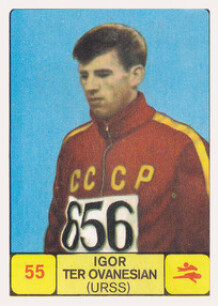
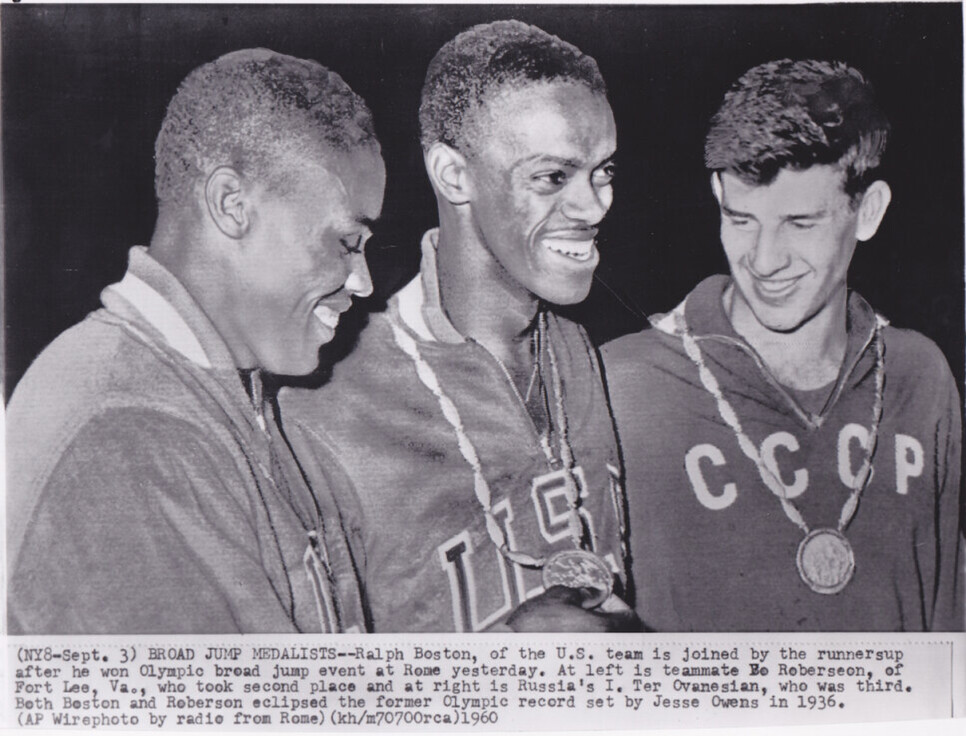
The first was Igor Ter-Ovanesyan who rose into the air landing at 8.04, behind Boston, but ahead of everyone else. Manfred Steinbach, a long jumper and sprinter who had moved from East to East Germany the previous year, jumped immediately afterwards and also reached 8 metres, but without exceeding them, just a few centimetres behind the Soviet. Now all that remained was Bo Roberton's jump. Boston was right next door, his heart beating really hard as they measured Robertson's jump. Then the electronic scoreboard reported the measurement: 8.11. Boston had won by an inch; silver for Robertson, bronze for Ter-Ovanesyan.


APWire photo
Livio Berruti

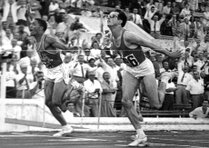
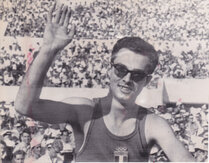
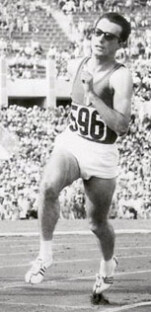
Tutto esaurito lo Stadio Olimpico, il pomeriggio del 3 settembre, per vedere la finale dei 200 metri piani. I sei finalisti (tra i quali 3 americani - Norton, Carney e Stone Johson - un francese Seye, un polacco Foik e l'italiano Livio Berruti) erano ciò che restava di un battaglione iniziale di 71 concorrenti. Dell'italiano l'inviato statunitense Neil Allen scrisse "il battito d'ali di quel gentil uccello e la falcata di seta dello sprinter si muovono in perfetta armonia. Grazia, rapidità, fluidità per me sono sinonimi di Berruti".
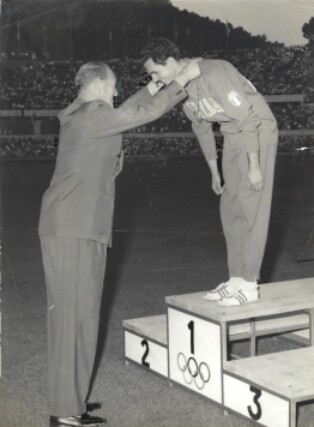
The Stadio Olimpico sold out on the afternoon of September 3rd to watch the 200-meter final. The six finalists (including 3 Americans - Norton, Carney and Stone Johson - a Frenchman Seye, a Pole Foik and the Italian Livio Berruti) were the remnants of an initial battalion of 71 competitors. Of the Italian, the American envoy Neil Allen wrote "the flapping of that gentle bird's wings and the silk stride of the sprinter move in perfect harmony. Grace, speed, fluidity are synonymous with Berruti for me."
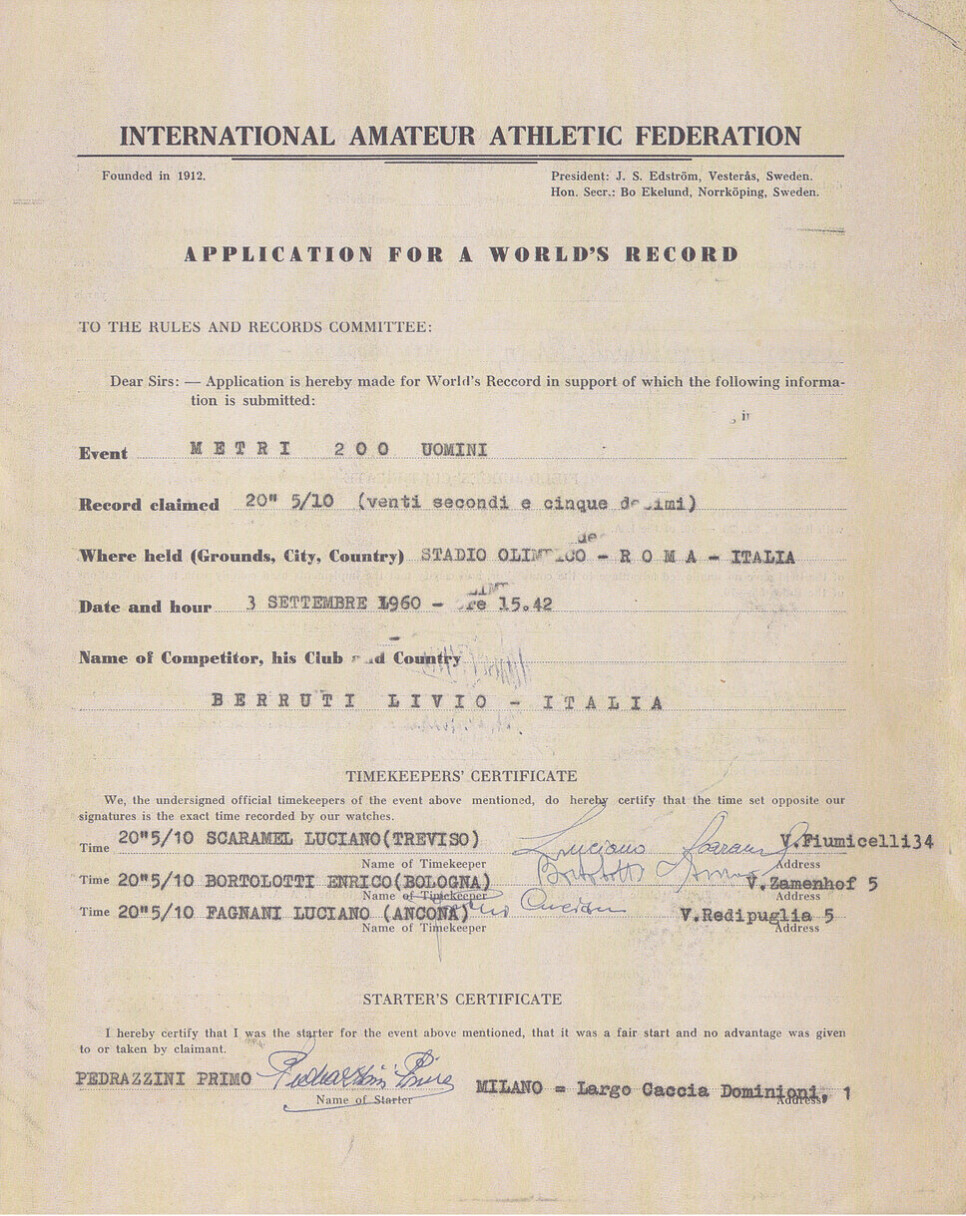
Il documento di omologazione del record del mondo di Berruti del 1960

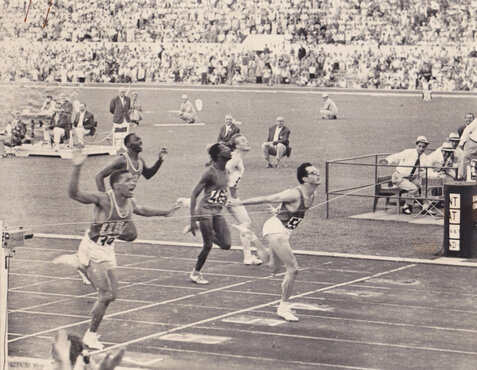
Alle 15,10 il via. Berruti, nella corsia 4, saltò bene in partenza. Ai settanta metri era in testa e allungò avvicinandosi alla curva, poi si ricordò che in semifinale aveva addolcito dopo la curva, ora non doveva ripetersi, doveva allungare il passo e non perdere il controllo della sua azione. Nell'ultimo tratto Norton si spense e Stone Johnson rimase staccato. Abdoulaye Seye, il senegalese che correva sotto la bandiera francese, si spinse oltre il polacco Marian Foik. Les Carney stava rimontando dall'esterno. Berruti si avvicinò alla linea d'arrivo sapendo di essere ancora in testa e si tuffò sul filo, ribaltandosi poi sul rosso scuro della pista esausto. Con 20.5 Berruti, migliorando il record olimpico ed eguagliando quello mondiale, vinse l'oro, mentre a Carney andò l'argento ed a Seye il bronzo.
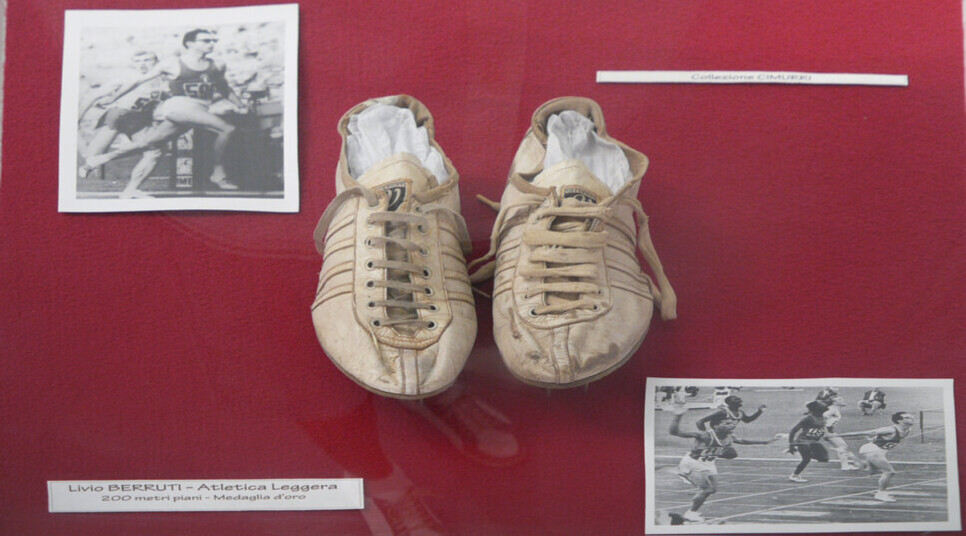
The start is at 3.10pm. Berruti, in lane 4, jumped well at the start. At seventy meters he was in the lead and stretched as he approached the bend, then he remembered that in the semi-final he had softened after the bend, now he had to not repeat himself, he had to extend his pace and not lose control of his action. In the final stretch Norton died down and Stone Johnson remained detached. Abdoulaye Seye, the Senegalese running under the French flag, pushed past the Pole Marian Foik. Les Carney was coming back from the outside. Berruti approached the finish line knowing he was still leading and dived onto the wire, then overturned onto the dark red of the exhausted track. With 20.5 Berruti, improving the Olympic record and equalling the world record, he won gold, while Carney took silver and Seye bronze.
Le scarpe usate da Livio Berruti nella gara dei 200 metri ai Giochi Olimpici di Roma 1960 ed esposti alla mostra per i 50 anni dei Giochi di Roma
Torna ai contenuti